
8 October 2026
Flat Roof Repair Costs In Mansfield: Garages, Extensions, Dormers And Porches Priced
Flat roof repair and replacement costs in Mansfield for garages, back extensions, dormers and porches. Patch, overlay or strip, and felt vs EPDM vs GRP per m2.
Flat roof repair costs in Mansfield are easier to pin down than most homeowners expect, provided you know which of four roofs you’re asking about. A garage, a back extension, a dormer and a little porch canopy can all be covered in exactly the same felt, yet a fair quote for each one looks completely different. On the jobs we see, a sound flat roof with a single fault is fixed for £200 to £650. A full strip and re-cover of a kitchen extension lands between £1,500 and £4,200. And most of the gap between those numbers comes down to three things: the condition of the timber deck, how the roof is reached, and how many old coverings are already up there. Below, each roof gets its own section, with the patch-or-strip question and per-square-metre figures for felt, EPDM and GRP, so you can check a quote against something before you sign it.
Watch: four flat roofs, one material, four very different quotes.
Flat roof repair costs in Mansfield at a glance
These are the bands we price to on the houses that fill the estates either side of the Maun valley. Every one assumes a normal domestic roof that can be reached by ladder or a small tower, with scaffold priced as a separate line where it’s needed. If you’d like to see how we tackle the work itself, our flat roof repairs page explains what we check before quoting.
| Job | Typical Mansfield price |
|---|---|
| Patch repair on a sound flat roof | £200 - £650 |
| Porch or bay canopy re-covered | £350 - £900 |
| Single garage stripped and re-covered | £1,000 - £1,900 |
| Back extension stripped and re-covered | £1,500 - £4,200 |
| Dormer roof re-covered (scaffold extra) | £900 - £2,000 |
| Rotten decking replaced | add £25 - £40 per m2 |
| Warm roof insulation added | add £40 - £60 per m2 |
Treat them as middle-of-the-road figures. A quote well below them usually means something has been left out - normally the deck, the edge trims or the junction with the house wall, which happen to be the three places flat roofs fail.
Patch, overlay or full strip: what each one buys you
Before materials even come into it, there’s a bigger choice to make. A patch fixes one fault. An overlay puts a new covering on top of the old one. A full strip takes everything back to the joists and starts again. They’re priced very differently because they’re doing very different jobs.
A patch is the right answer when the roof is otherwise in good order and the leak has one obvious source: a lap that’s lifted at a corner, a split where someone stood on it, an upstand that has pulled away from the brickwork. You’re paying for an hour or two of skilled work and a few metres of material.
An overlay costs roughly a third less than a strip because nothing goes in a skip. It only works when the existing covering is flat, dry, firmly stuck down and the only layer on the roof. We pull back a corner before agreeing to one. If the felt is blistered, if the board underneath feels spongy, or if there’s already a second covering under the first, an overlay just seals the problem in and you pay for it twice.
A full strip is the only way to see the deck. On a lot of Mansfield roofs that matters, because the timber under a forty-year-old garage or outrigger has often been quietly wet for years. Puddles that are still sitting there several days after rain are the clearest warning. In a town as dry as this one, a puddle that hangs about means the roof has no proper fall, and a covering sitting in water wears out far faster than the rest of the roof.
Garage roofs: usually the cheapest flat roof on the house
Detached garages from the post-war estates, the brick ones with a timber flat roof at the end of the drive, are the jobs we price most often. Nobody lives underneath them, access is easy, and the roof is usually a simple rectangle with one drip edge. That makes them the least expensive re-cover per square metre of any flat roof on a property.
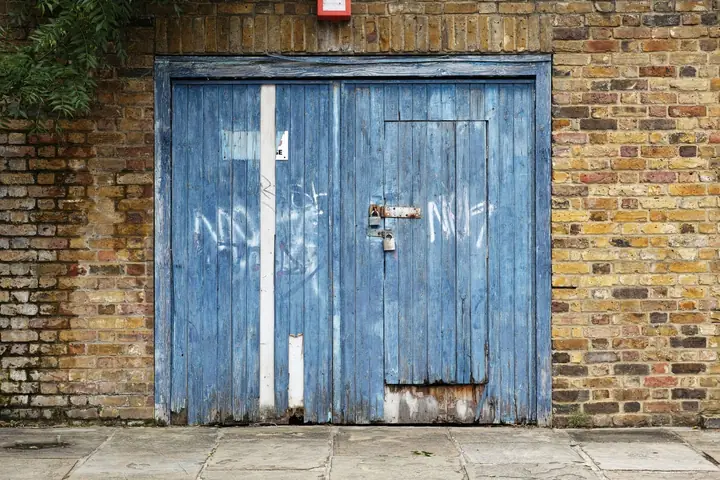
A single garage of around 15 square metres typically costs £1,000 to £1,900 to strip and re-cover, depending on the material and how much of the deck survives. Doubles roughly scale with area, though not quite in a straight line, because the fixed costs such as getting set up, the skip and the edge trims don’t double.
Two things push garage prices up. The first is the deck. Garage roofs were often boarded in chipboard or thin plywood that hasn’t aged well, and when it has gone soft in the middle it all needs replacing, not just the covering. The second is what the garage is actually roofed with. Plenty of the concrete sectional garages around Mansfield and its colliery villages aren’t felted at all - they have corrugated cement sheets, and if they were put up before 2000 those sheets may contain asbestos. That’s a different job, with different rules, and it’s covered further down.
Back extensions and kitchen outriggers: the deck decides the price
A flat-roofed kitchen extension is the roof most people are really worried about, because it sits over a room they use every day. It’s also where costs vary most. Two houses on the same street in Forest Town or Mansfield Woodhouse can have identical extensions and quotes £1,500 apart, and the reason is nearly always underneath the covering.
The covering itself is the predictable part. For a strip and re-cover, figure on roughly £70 to £95 per square metre for three-layer felt, £80 to £110 for EPDM and £95 to £130 for GRP. A typical extension of 15 to 25 square metres therefore falls somewhere in that £1,500 to £4,200 band. Rooflights, soil vent pipes and an awkward abutment with a bay or a back door canopy all add detailing time on top.
Then there’s the deck, and building regulations. If more than half the roof is being renewed, Approved Document L treats it as renovating a thermal element, so the roof should be insulated to the current standard where that’s technically and economically feasible. You can read the government’s Approved Document L on conservation of fuel and power if you want the detail. In practice it usually means a warm roof, with insulation boards laid above the deck and the new covering on top. It adds £40 to £60 per square metre, raises the roof edge by a few inches and cures the condensation that cold extension roofs often suffer from. A quote for a full re-cover that doesn’t mention insulation at all is worth asking about.
Dormers and ex-council porches: small roofs, awkward prices
These two get lumped together because they share a problem. The roof is tiny, so the material barely registers on the quote, and almost everything you pay for is getting to it and making the edges right.
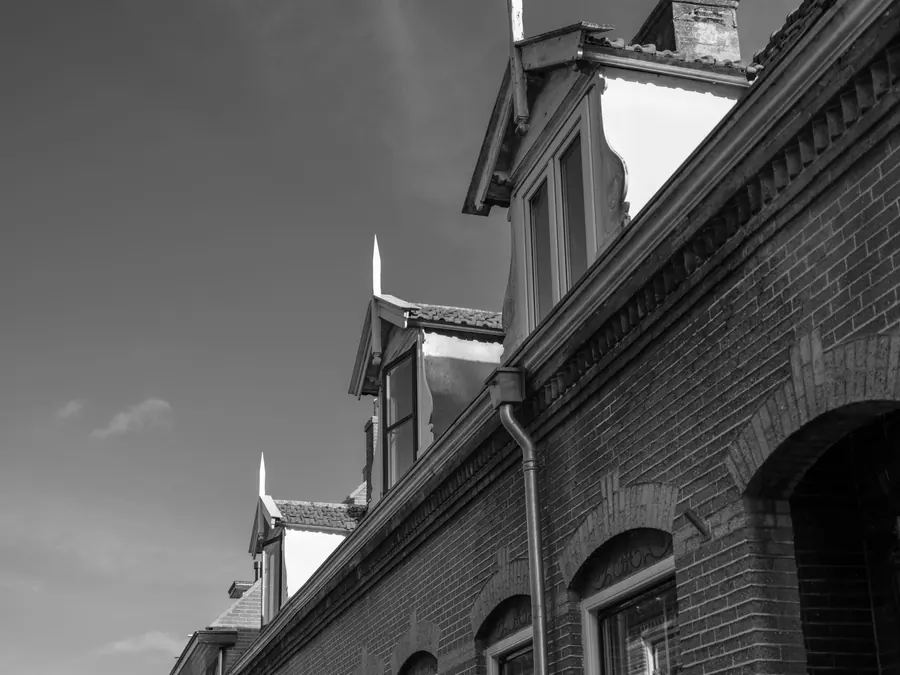
A flat dormer roof might be six or eight square metres, but it’s two or three storeys up and usually means scaffold. On our quotes that’s a separate line at £450 to £1,100 per elevation, so a dormer re-cover of £900 to £2,000 can nearly double once access is added. The sensible move is to bundle it: if the main roof needs ridge work or the gutters on that side are going, doing everything off one scaffold saves you paying for it twice.
Porch canopies are the other extreme. We see plenty of small flat-roofed porches and door canopies on ex-council semis across the district, from the Bellamy Road estate out to Ravensdale, and they leak with real commitment, usually straight onto the coat hooks. A re-cover generally costs £350 to £900. Most roofers have a minimum charge for a job this size, so it’s worth asking whether anything else wants looking at while they’re there. If you bought the house from the council, the porch is your responsibility now. If you’re still a council tenant, you report it through Mansfield District Council’s council house repairs service instead. We’ve set out the full picture of who is responsible for what in our article on Right to Buy and ex-council roofs in Mansfield.
Felt, EPDM or GRP: which material suits which roof
All three materials are perfectly good when they’re installed properly. The trick is matching the material to the roof rather than to whatever a firm happens to stock.
Three-layer felt
Modern felt (torch-on or cold-applied, not the single sheet stuck down with hot bitumen that went on in the 1970s) is the cheapest of the three. It lasts something like 15 to 20 years. It suits garages and outbuildings where budget matters most. Because of the fire risk from a torch next to old timber, many domestic installers now use self-adhesive or cold-applied systems on extensions joined to the house.
EPDM rubber
EPDM is a single sheet of synthetic rubber, usually laid in one piece with no seams across the middle of the roof. It handles the freeze and thaw of a Nottinghamshire winter well, and on a simple rectangular extension it’s very good value for a covering that can last decades.
GRP fibreglass
GRP is fibreglass matting set in resin on a fresh deck. It gives a hard, walkable finish and neat moulded edges, which is why people choose it for dormers and roofs they step out onto. It costs the most, and the resin needs dry weather and reasonable temperatures to cure, so it’s a material for spring through early autumn.
Corrugated garage roofs and asbestos
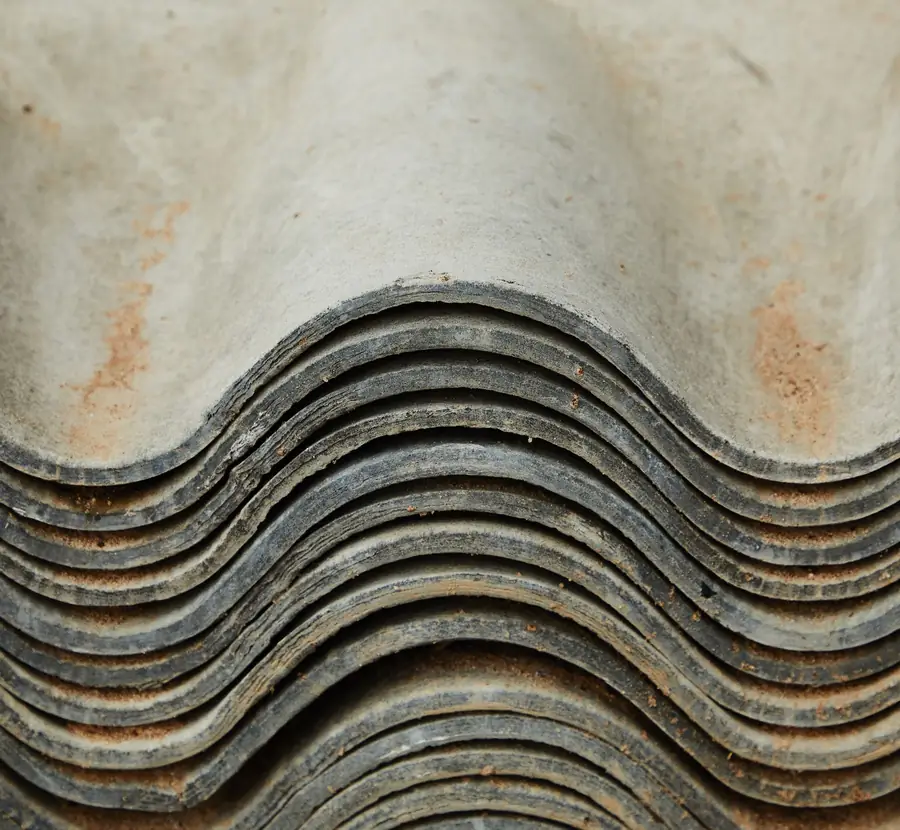
The Health and Safety Executive’s asbestos guidance explains that buildings put up or refurbished before 2000 may contain it, and cement sheets and some older roofing felts are on the list. Don’t cut, drill or jet-wash them. Get them identified first, and if they do contain asbestos, have them removed by someone set up to do it properly before a new roof goes on.
What pushes a flat roof quote up or down in Mansfield
Once the roof type and material are settled, a handful of local factors explain most of the difference between two quotes for the same job.
Start with what’s already up there. We regularly find two old coverings stacked on estate garages and extensions, and each one adds labour and skip space when it comes off.
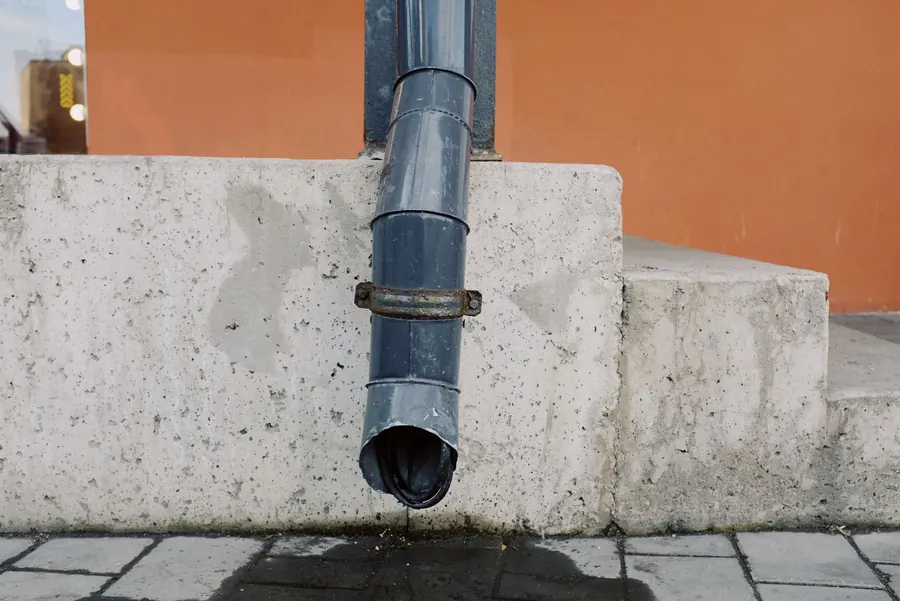
Then look at where the water goes. A flat roof that drains into an undersized gutter, or through an outlet that has silted up, will fail at the edge however good the new covering is. Sorting the fall and the outlet properly can add a little to the price, and it’s money well spent. The gutters often want attention at the same time, which is covered in our guide to gutter, fascia and soffit costs in Mansfield.
- Where an extension roof meets the house, the upstand needs a proper flashing chased into the brickwork. Missing or failed lead here causes more of our call-outs than the middle of the roof ever does.
- Across the old coalfield, some extensions have dropped slightly away from the main house over the years. A crack at that junction gets a proper look before anyone covers over it.
- EPDM adhesive and GRP resin both need dry, mild conditions. A re-cover booked for late spring rarely loses days to weather. One squeezed into December might.
- Ladder-reach, tower or full scaffold makes a bigger difference to small roofs than any choice of material.
Ask for each of those to be itemised: deck, insulation, trims, outlet, flashing, access and waste. A quote with every line visible is far easier to compare than a single figure, and it tells you the roofer has actually looked at the roof.
Frequently asked questions
How much does a flat roof repair cost in Mansfield?
A patch repair on a flat roof that is otherwise sound usually costs between £200 and £650 in Mansfield. That covers jobs like resealing a lifted lap, replacing a split section of felt, or remaking a failed upstand where the roof meets the wall. If the leak is coming from several places, the deck is soft, or water is sitting on the roof for days after rain, a patch is unlikely to last and a re-cover is the better spend.
What does it cost to replace a flat roof on a kitchen extension in Mansfield?
Stripping and re-covering a typical Mansfield kitchen or back extension usually comes to between £1,500 and £4,200. Three-layer felt sits at the lower end, EPDM rubber in the middle and GRP fibreglass towards the top. Per square metre, a strip and re-cover generally works out at roughly £70 to £95 for felt, £80 to £110 for EPDM and £95 to £130 for GRP, before any rotten decking is replaced. A warm roof upgrade with insulation added above the deck costs extra but is often expected under building regulations when most of the roof is renewed.
Can a new flat roof be laid over the old one?
Sometimes. An overlay can work when the existing covering is reasonably flat, firmly bonded, dry underneath and only one layer deep, and when the deck below has been checked and found solid. It saves the cost of stripping and waste removal. It is a poor choice over blistered or wet felt, over a deck that flexes underfoot, or over a roof that already has an old covering underneath it, because trapped moisture and the original faults stay in place under the new layer.
Do I need building regulations approval to replace a flat roof in Mansfield?
Re-covering more than half of a flat roof counts as renovating a thermal element under Approved Document L, so the roof should normally be insulated to the current standard where that is technically and economically feasible. In practice that often means converting it to a warm roof. A roofer registered with a competent person scheme can self-certify the work; otherwise it goes through building control. Like-for-like patch repairs do not need approval.
Reading done - roof still needs looking at?
Free surveys across Mansfield and the towns around it, with a fixed written quote to follow.