
2 September 2026
Who Owns The Roof? Right To Buy And Ex-Council Houses In Mansfield
Bought your council house in Mansfield, or live next door to one? Who owns which half of the roof, who pays for repairs, and how to get half a roof quoted.
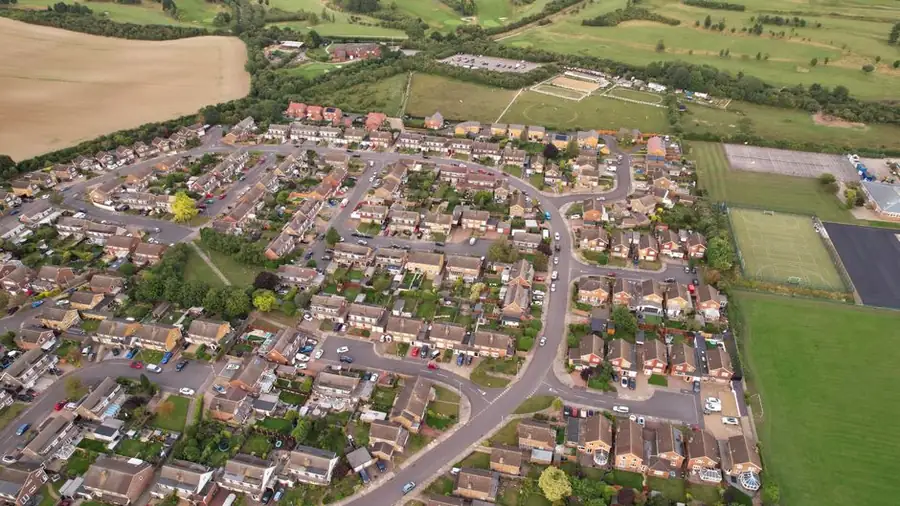
Mansfield is a Right to Buy town in a way that few places in the East Midlands can match. The council estates that went up around the pits, and the waves of building that followed them through the 1950s, 60s and 70s, were sold into private hands in large numbers after 1980, and the result is streets where the tenure changes house by house without changing the brickwork at all. Mansfield District Council still lets around 6,300 homes of its own across the district, so on plenty of estate roads roughly half the roofs are the council’s problem and half belong to whoever holds the deeds. Nobody puts a sign up. The confusion only surfaces when water comes through a ceiling and two households start pointing at each other.
So here is the boring but useful version: who owns which bit of roof on an ex-council property in Mansfield, who is liable for the bill, and how to get the work priced without paying for a scaffold twice.
The sale that split the street
Right to Buy has run since 1980 and has moved close to two million homes out of council ownership across England. A pair of semis that were designed, built, roofed and maintained as one object become two legal entities on the day one half sells. Every future decision about the roof over them then has to respect a boundary that does not physically exist anywhere in the timber.
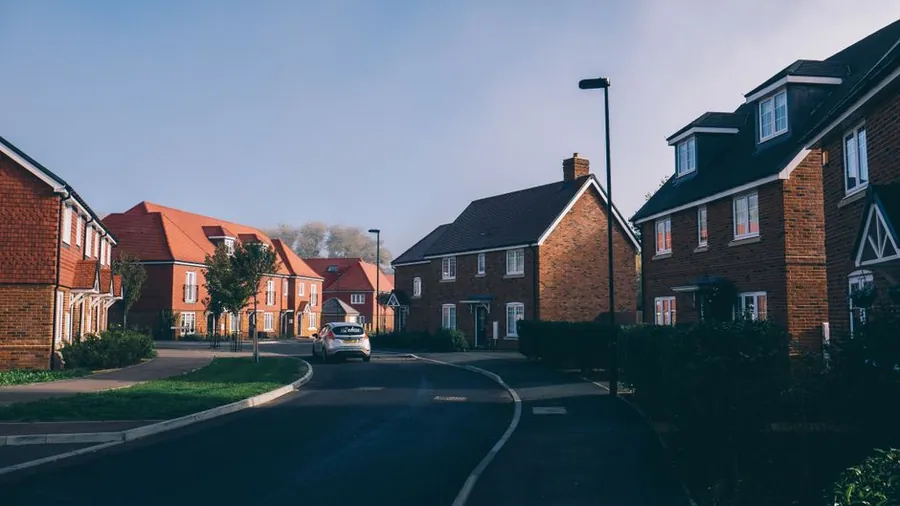
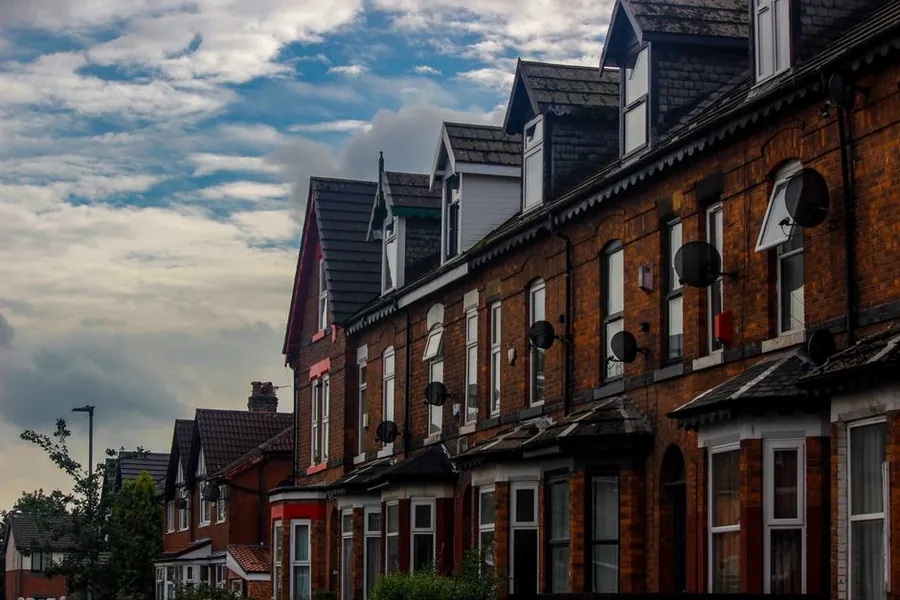
Around Pleasley Hill, Ladybrook, Bull Farm and the older parts of Warsop you can usually read the history off the roofline. One half has been re-covered and has crisp mortar at the verge; the other still carries its original tiles and a sagging gutter line. That mismatch is not neglect, it is two owners on two different timetables, and it is the single most common thing we are asked about on estate housing.
If you are still in the buying stage, the government’s Right to Buy guidance sets out the eligibility rules and discounts, and Mansfield District Council’s own buying your home pages handle the local process.
If you bought a house, the roof over your half is entirely yours
Houses sold under Right to Buy are sold freehold. That means no landlord, no service charge, no permission needed and no help either. From the ridge tiles down to the fascia, the covering over your half is yours to maintain, insure and eventually replace, and the council has no ongoing duty toward it once the sale completes.
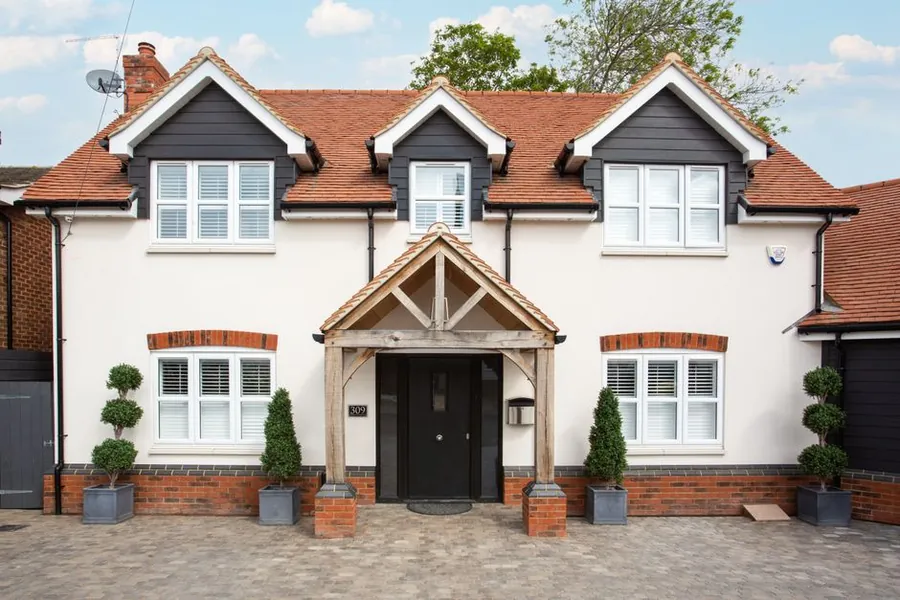
The catch is that the structure does not stop at your title boundary. Rafters sit on a shared wall head, the ridge runs unbroken across both halves, and on older pairs the chimney stack straddles the party wall with flues from both houses inside it. Water entering the neighbour’s side can run along a rafter and drop through your plasterboard, which feels like your problem and is legally theirs. Documenting where water actually enters, rather than where it appears, is what settles those conversations. Our guide to how long Mansfield roofs actually last is worth a read if you are trying to work out whether your half is near the end of its covering or merely leaking.
Flats and maisonettes work in the opposite direction
Buy a flat or maisonette from the council and you get a long lease, not a freehold. The council remains the freeholder and keeps responsibility for the structure and exterior, roof included. You do not organise roof repairs, you are not allowed to, and you cannot choose the roofer.
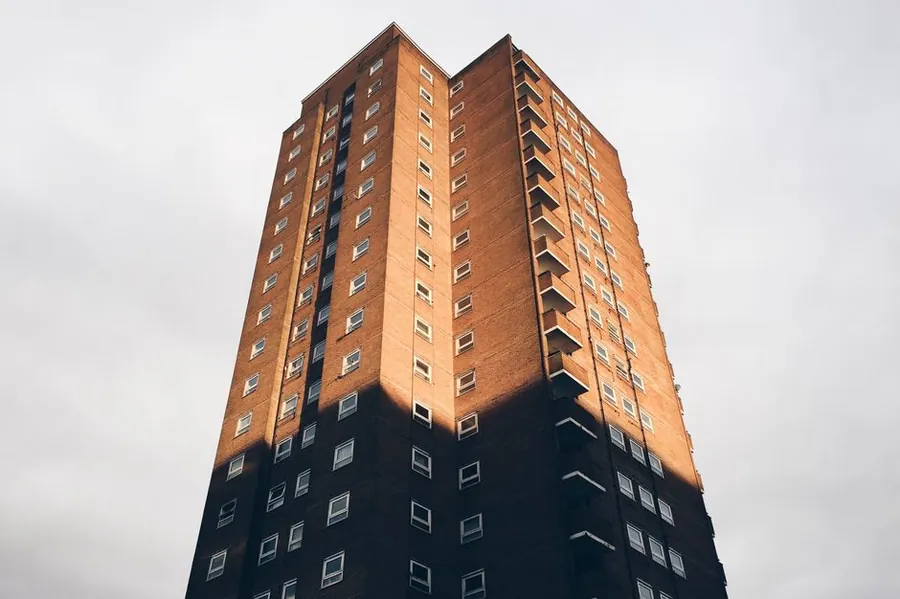
What you do get is the bill. The cost of repairing or replacing the block’s roof comes back to leaseholders through the service charge, apportioned by whatever the lease says. Owners of ex-council maisonettes around Mansfield are sometimes surprised to receive a four-figure demand for a roof they have never been on, but that is exactly what a leasehold interest in a shared structure means.
Section 20: the letter that means a big roof bill is coming
Before a freeholder can charge any leaseholder more than £250 for a single set of qualifying works, it has to consult formally under Section 20 of the Landlord and Tenant Act 1985. A roof over a block clears that threshold before the scaffold is finished, so the process applies to more or less every major roof job on leasehold ex-council property.

Consultation runs in stages. First comes a notice of intention describing the work and inviting observations, along with the right to nominate a contractor you would like invited to tender. Later comes a notice with estimates attached, and a further window to comment. If the landlord skips the process, its recovery is capped at £250 per leaseholder however large the final bill, which is why councils and managing agents take the paperwork seriously.
Three things are worth doing rather than filing the letter. Reply inside the window, in writing. Nominate a contractor if you know a good local one, because that is a right you lose by silence. And read the specification: a roof described as an overlay is a different asset life from a strip and re-cover, and it should be priced as one. The government’s guidance on service charges covers the consultation rules and how to challenge a charge you believe is unreasonable.
Where shared roofs actually fail
Estate housing fails in predictable places, and mixed ownership makes two of them worse.

The verge is the usual starting point - the mortar-bedded edge of the tiles at the gable. Estate roofs were bedded in sand and cement, and after four or five decades that mortar cracks, lets go in sections and takes tiles with it in a gale. Cheap to fix early. Expensive once it needs a scaffold.
The ridge is where the ownership line actually bites. Ridge tiles run continuously along the top of a pair. When one half is re-roofed, the ridge has to be broken and re-formed at the party wall, and a rushed job leaves a weak point directly above the wall both households share. If your neighbour has recently had work done and you have since developed damp at the top of an upstairs wall, that junction is the first thing to look at.
Then there are the chimney stacks sitting on the party wall. They belong to both houses, they weather from the inside after decades of coal, and repointing one is normally split down the middle by agreement. Nobody can force a neighbour to contribute, but a stack that fails takes both roofs with it, which is usually argument enough.
Getting half a roof quoted properly
A quote for one half of a pair should say four things that a quote for a detached house does not need to.
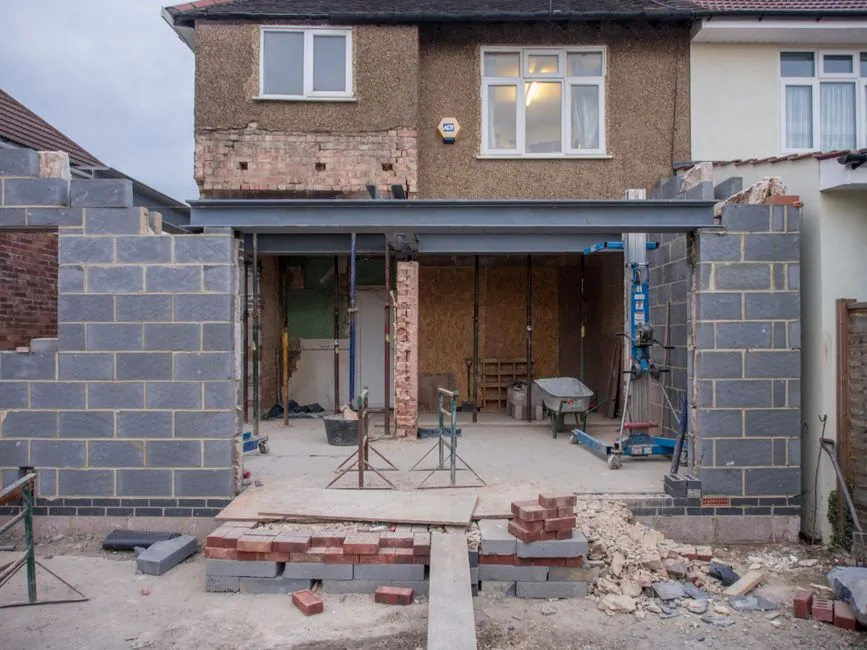
It should say how the junction at the party wall will be formed and weathered, in words, not left to the day. It should say whether the ridge is being re-bedded across both halves or terminated at the boundary. It should state whether the scaffold is being shared and how the cost splits if your neighbour joins in. And it should be honest about matching: on a 1960s concrete tile roof, a new covering will not match the neighbour’s weathered one, and any roofer promising otherwise has not looked at the tiles.
If the covering has gone rather than merely leaked, our roof replacement page sets out what a full strip and re-cover involves.
The money worth chasing is in the scaffold. Access is close to a fixed cost whether one half of a pair is done or both, so two neighbours booking in the same fortnight halve it between them. On estates where a whole row went up in one year, and is therefore wearing out in one year, that conversation over the fence is worth having before anyone signs anything. Our roof repair cost guide for Mansfield breaks down what the individual jobs run to by house type.
Still a council tenant? What to report and how
If you rent from Mansfield District Council, the roof is the council’s responsibility as landlord, and repairs go through its housing repairs service rather than through any contractor knocking at the door. Report faults in writing, keep a copy, photograph ceilings and walls as damage develops, and chase in writing too - a paper trail is what turns a slow repair into a prioritised one.
The council’s own performance on this is a matter of public record. The regulator’s February 2025 regulatory judgement on Mansfield District Council sets out how its housing service is assessed, including on repairs and the condition of homes. Tenants quoting that framework in a complaint tend to get taken more seriously than tenants quoting frustration.
One thing no tenant should do is arrange and pay for roof work themselves in the hope of reclaiming it. Recovering that money is difficult, and a doorstep caller offering to “sort it while we’re on the street” is a problem in its own right, not a solution to a slow repair.
The short version
Freehold house, bought under Right to Buy: your roof, your bill, your choice of roofer. Leasehold flat or maisonette: the council’s roof, the council’s contractor, your share of the cost via Section 20. Still renting: the council’s job, reported in writing.
The awkward cases all live at the join, where two ownerships meet on one structure. Those are worth surveying rather than guessing at, and worth raising with the neighbour before the scaffold goes up rather than after.
Book a free roof survey in Mansfield and we will tell you which side of the line your problem sits on before anyone quotes for anything.
Frequently asked questions
I bought my council house in Mansfield. Do I own the whole roof?
You own the whole of your roof, not the whole of the roof structure over the pair. Right to Buy houses are sold freehold, so everything from your ridge line down to your gutter is yours to repair, insure and replace, and nobody has to ask the council's permission. What you do not own is your neighbour's half, even though the two are built as one continuous structure sharing rafters, a party wall and often a chimney stack. That is why a leak on their side can wet your ceiling and still be their bill.
My neighbour still rents from the council and their half of the roof is failing. Who fixes it?
Mansfield District Council does, as their landlord. Report it through the council's housing repairs route rather than trying to organise it yourself, and put it in writing so there is a record of when the fault was first raised. If water is crossing the party wall into your half you have a stronger case for urgency, and it is worth sending photographs of your own damage with the report. The council is responsible for the structure and exterior of the homes it still owns, and roof coverings sit squarely inside that.
Why is my ex-council flat getting a bill for a roof I do not touch?
Because Right to Buy flats and maisonettes are sold leasehold, not freehold. The council keeps the freehold and stays responsible for the building's structure, then recovers the cost of repairing it through your service charge. You are effectively buying a share of the roof over the whole block. Where your share of a job comes to more than £250 the council must run a formal consultation before it can charge you the full amount, which is the point at which you can ask questions and nominate a contractor.
Can I re-roof my half of a semi without my neighbour doing theirs?
Yes, and it happens on Mansfield's estates constantly. A competent roofer will strip to the party wall, form a proper weathered junction at the ridge and the wall head, and leave the neighbour's covering intact. The two practical costs of going alone are scaffolding, which you pay for in full instead of splitting, and the visual join, since new tiles rarely match forty-year-old ones. If your neighbour is even vaguely considering it, the same scaffold across both halves is the single biggest saving available on the job.
Does an ex-council house need a different kind of roof survey?
Not different, but it does need the surveyor to look at two things they might skip elsewhere: the party wall junction, and whether the roof has been part-repaired at some point in a different material. Estate roofs were built as a run and then maintained house by house over decades, so it is common to find one property re-covered in the 1980s sitting between two originals. Knowing which era your covering belongs to changes the repair advice completely, so ask for it in writing.
Reading done - roof still needs looking at?
Free surveys across Mansfield and the towns around it, with a fixed written quote to follow.