
25 August 2026
How Long Does A Roof Last In Mansfield? Real Lifespans By Type
Slate, clay, concrete, felt and rubber - honest lifespans for every roof type on Mansfield's housing, and what quietly shortens or extends them.
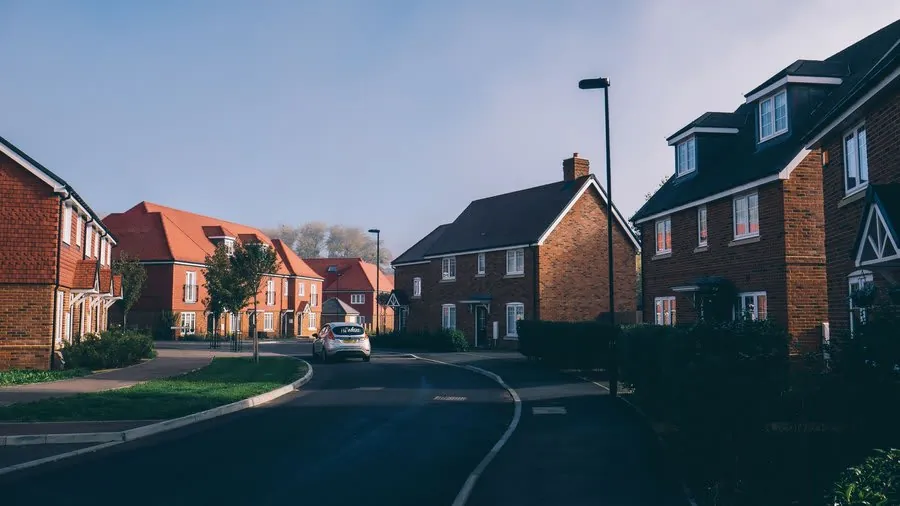
“How long does a roof last?” sounds like it should have one answer, and every roofer who gives you one number is simplifying to the point of fiction. The honest answer is a table, not a figure - because Mansfield’s housing wears at least five different kinds of roof, laid across 130 years of building booms, and each covering ages on its own schedule. The town’s stock makes the question unusually interesting: Victorian slate around the centre, clay and early concrete on the colliery streets that went up between the 1890s and the 1930s, mid-century concrete on the estates, and modern interlocking tiles on everything since. Whole streets here share a birthday, which means whole streets share a roof-age too. So here are the real lifespans, what shortens them, what stretches them - and how to tell where your own roof sits on its curve.
Natural slate: the century roof with a weak link
The slate on Mansfield’s Victorian and Edwardian terraces is the longest-lived covering in common use. Good slate is essentially stone shingle: 80 to 100 years is routine, and the best material can double that. Which raises an obvious question - if slate lasts a century, why do so many pre-war roofs need replacing?
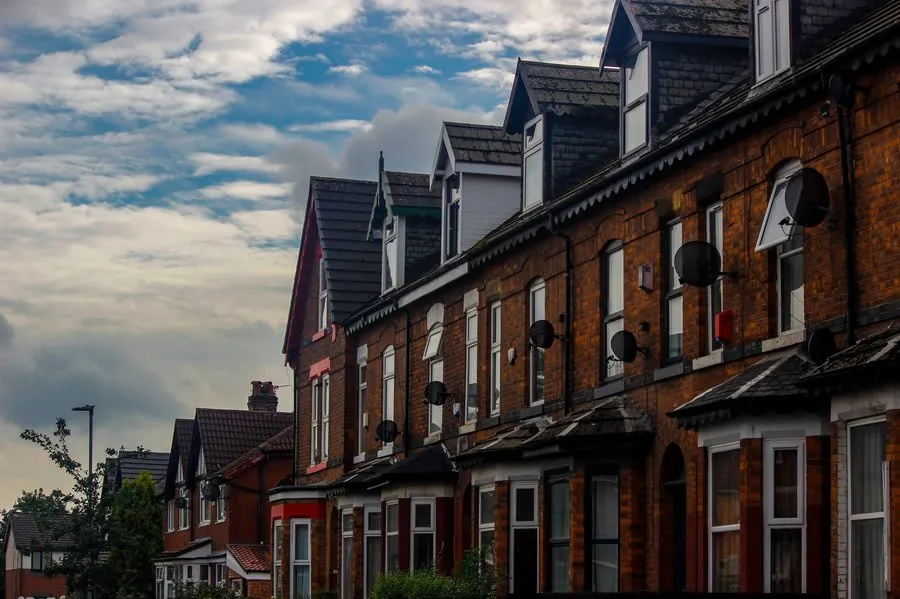
Because the slate was never the weak link. Each one hangs on two iron nails, and iron nails in a damp roof have a working life of sixty to eighty years. On an 1900s terrace they expired decades ago, leaving thousands of slates held increasingly by friction and habit. The tell is slates sliding on windless days - the trade’s surest sign that a roof has reached the end of its fixings rather than the end of its covering. The consolation: sound slates coming off a stripped roof have real salvage value, and often go straight back on over new battens and nails.
Clay and concrete tiles: the coalfield’s workhorses
The colliery housing that rings Mansfield - Forest Town from 1905, the Warsop Vale rows, the twenties streets at Rainworth, Clipstone and across Ashfield - mostly wears clay or early concrete tiles, and these age differently to slate. The material itself weathers: water gets into the tile’s surface, winter frost expands it, and the face flakes off layer by layer. The trade calls it delamination, and once it starts across a slope, no repair addresses it - the covering is simply finishing.
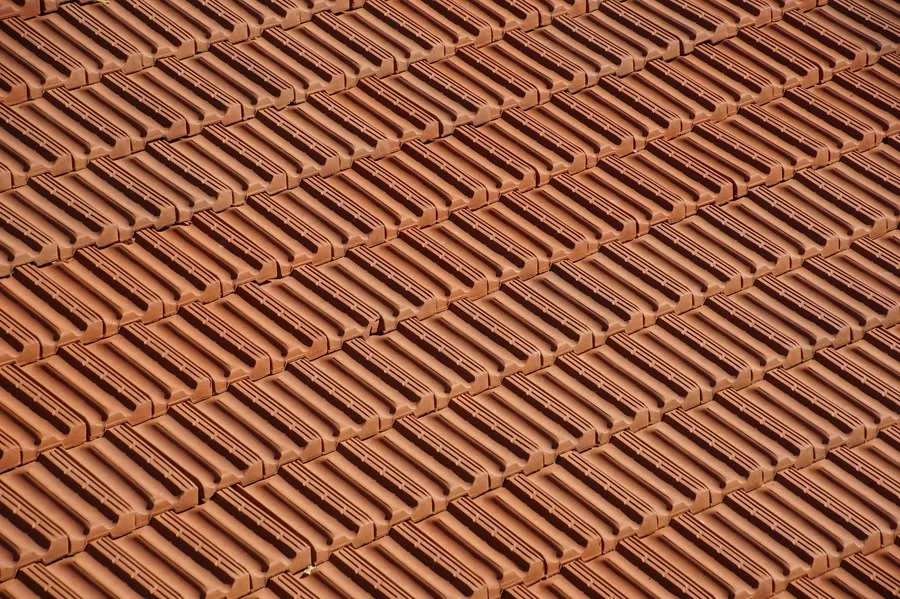
Working figures: good clay tiles give 60 to 70 years, concrete 40 to 60. Mansfield’s dry climate - the nearest Met Office station at Watnall averages about 716mm of rain a year against a national 1,163mm - is genuinely kind to tiles, since delamination needs moisture to freeze. The same dryness has a sting, though: it lets failing roofs limp along unnoticed, because the leak that would announce itself in a wet county stays hidden here until a serious storm arrives. Plenty of the town’s interwar roofs are now past their nominal span and coasting on borrowed, dry-weather time.
Flat roofs: the short-lifespan outlier
Every estate Mansfield built after the war added flat roofs by the hundred - kitchen extensions, garages, porches, bay tops - and they’re the shortest-lived roofing in town. Built-up felt gives 15 to 20 years laid well; the sun does most of the damage, cooking the surface until it cracks. Modern replacements changed the arithmetic: EPDM rubber membranes are commonly rated at 30 to 50 years, and GRP fibreglass sits in the mid-twenties and up.
The caveat that swallows all those numbers: drainage. A flat roof holding a permanent puddle serves perhaps half its rated life, whatever the material, because no membrane thrives underwater. If your extension roof ponds for days after rain, the deck beneath has no working fall - and re-covering without correcting that is buying the same failure twice.
What genuinely shortens a Mansfield roof’s life
Age gets the blame, but age usually has accomplices. Four stand out locally. Blocked gutters top the list: water that can’t leave soaks the roof’s edges, rots fascia timber and keeps the lowest tile courses wet - and with the Sherwood edge shedding leaves and our mossy north slopes shedding debris, Mansfield gutters earn their annual clear. Second, dead ridge mortar: the bedding on colliery-era ridges is often original, and once it powders, every gale claims tiles that age had already freed.
Third, bad ventilation: lofts sealed up by well-meaning roofline work condense the house’s moisture onto timbers and felt, rotting a roof from the inside while the outside looks fine. And fourth, previous cheap work - the patch over rot, the cement slurry over tired slate, the overlay that trapped a wet deck. Half of what shortens roof lives around here was installed, not weathered.
What stretches a roof’s life - the boring, effective list
The good news is that the extending side of the ledger is cheap. An annual gutter clear, before winter. A slipped tile refixed the month it slips, not the year the ceiling stains. Ridge and verge mortar repointed once a decade or swapped for a modern dry-fix system. Eaves ventilation kept open. A five-minute loft check each winter - torch off, looking for daylight; torch on, looking for damp.
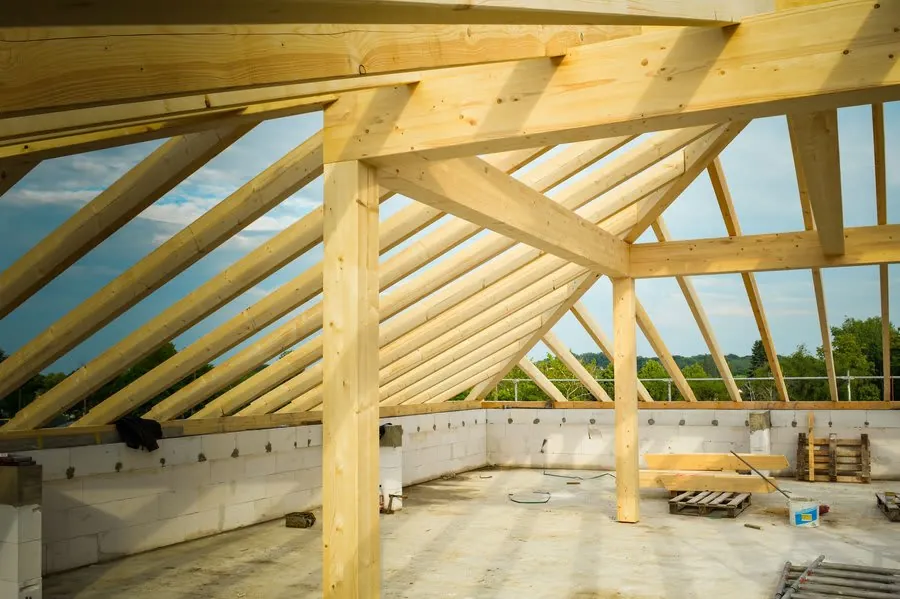
None of it is glamorous, and together it routinely adds a decade or more to a covering’s life - because the structure underneath, kept dry, outlives several coverings. Every year of that decade is a year the biggest bill on the outside of your house stays parked.
Reading your own roof’s age honestly
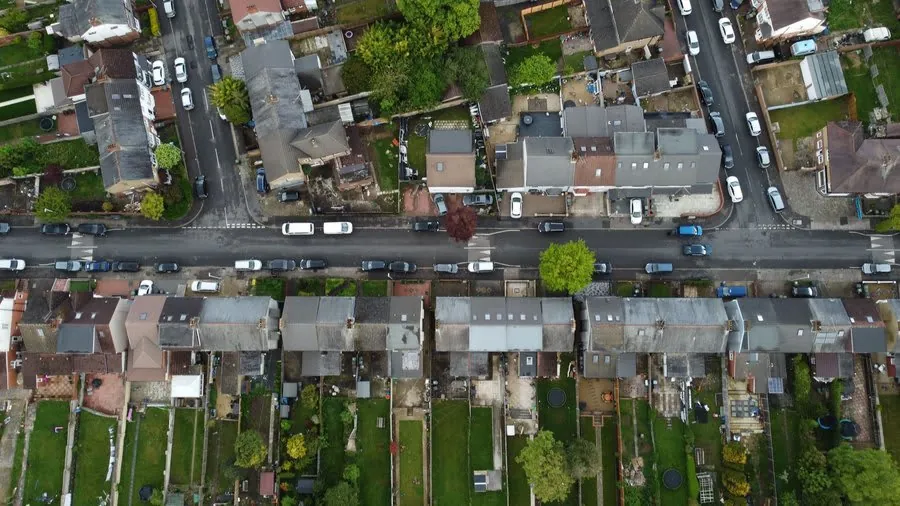
Streets around Mansfield age in unison, which hands you free intelligence: when identical houses nearby start re-roofing, your covering has entered its endgame - though maintenance history can put years between neighbours. If the house has old ground-movement quirks (common on the coalfield, and covered properly in our guide to mining subsidence and Mansfield roofs), that’s rarely a lifespan issue in itself - settled is settled.
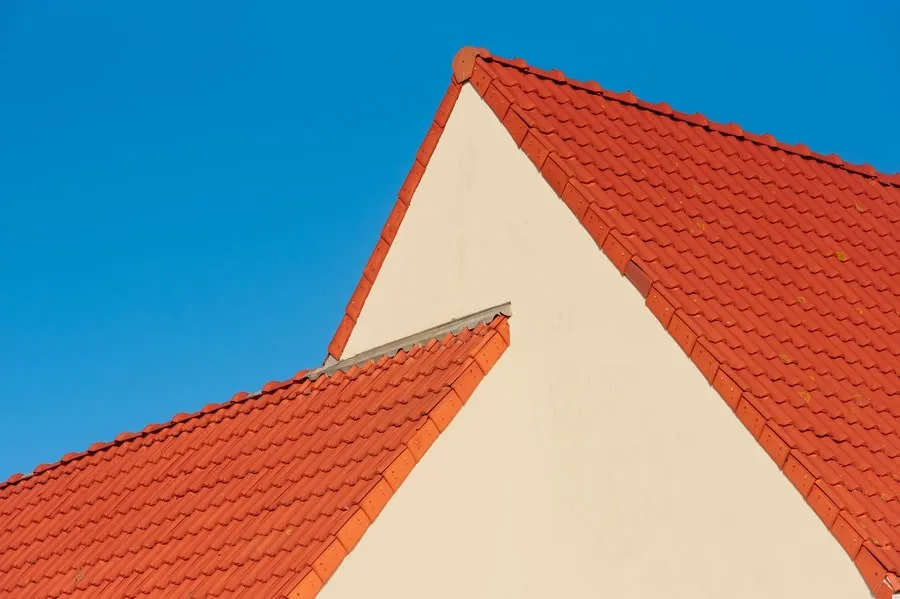
One planning note for the end-of-life decision: like-for-like re-covering generally needs no permission, but check first if you’re in one of Mansfield district’s eleven conservation areas - the council publishes the full conservation area list - and the government’s planning permission guidance covers the general rules. Changing the covering’s appearance is where paperwork can enter the picture.
The bottom line for Mansfield homeowners
Slate outlives its nails, tiles outlive their mortar, felt outlives nobody’s patience, and every covering outlives its rating when the water is managed and dies young when it isn’t. The most useful number isn’t a lifespan at all - it’s the date of the last time someone actually looked at your roof. If that date draws a blank, a free survey fixes it in half an hour, and tells you honestly which end of the curve your roof is on.
Frequently asked questions
What's the average lifespan of a roof in the UK?
There's no single number, because the covering decides it. As working rules: natural slate 80-100+ years, clay tiles 60-70, concrete tiles 40-60, three-layer felt flat roofs 15-20, EPDM rubber 30-50. The structure underneath - rafters and joists - normally outlives several coverings if it's kept dry, which is why leaks caught late are so much more expensive than the leak itself.
Why do the fixings matter more than the tiles?
Because on older roofs they fail first. Victorian and colliery-era slates were hung on iron nails with a working life of sixty to eighty years - long expired on pre-war Mansfield housing. The slate itself may have decades left while the nails holding it have rusted to nothing, which is why old roofs shed slates on calm days. The trade calls it nail fatigue, and it's the single most common reason a pre-war roof needs wholesale attention.
Does moss shorten a roof's life?
Less than the doorstep salesmen claim. Moss holds moisture against the covering and sheds into gutters, both worth managing, but it doesn't cause leaks by itself and it's no reason to replace a roof. The genuine age-related damage on tiles is frost delamination - faces flaking off layer by layer - which happens with or without moss on top.
Should I replace my roof before selling my house?
Rarely for profit - a new roof seldom returns its full cost in added value. The better reason is saleability: a visibly failing roof invites renegotiation at survey, and some mortgage lenders retain funds against roofing defects. If your roof is sound but tired-looking, a modest tidy-up - refixed slipped tiles, cleared gutters, repointed ridge - buys most of the kerb-appeal benefit at a fraction of the cost.
Reading done - roof still needs looking at?
Free surveys across Mansfield and the towns around it, with a fixed written quote to follow.