
16 October 2026
Roof Work In Mansfield: Planning Permission, Building Regulations And The Sign-Off You Should Get
Which Mansfield roof jobs need building regulations approval or planning permission, how the 11 conservation areas and Pleasley Vale's Article 4 work, and what paperwork to keep.
Most roof jobs in Mansfield need no council involvement at all. Swap a dozen cracked tiles, rebed a ridge or renew a lead flashing and nobody at the council needs to hear about it. The rules only bite at certain points: when a re-roof gets big enough to count as renovating the roof, when the new covering weighs a lot more or less than the old one, when structure is touched, or when the house sits in one of Mansfield District’s 11 conservation areas or is listed. Mansfield also has exactly one Article 4 direction, covering a dozen cottages at Pleasley Vale. Below is how we explain it to customers on a survey: which jobs on a Mansfield roof need building regulations approval, which need planning permission, who handles each (building control forms go to Erewash, not Mansfield) and what should be in a folder once the scaffold comes down. If a re-roof quote is already sitting on your kitchen table, read this before you sign it.
Planning and building regulations in Mansfield are two different tests
People treat “planning” and “building regs” as one hurdle. They’re not. Planning permission asks whether the work changes how a building looks or is used in a way the council should control. Building regulations ask whether the work is built properly - structure, fire safety, insulation, ventilation. A job can need one, both or neither.
In Mansfield the two also sit in different offices. Planning decisions come from Mansfield District Council’s planning team. Building regulations for the district are handled through a partnership, and applications and fees are processed by Erewash Borough Council on Mansfield’s behalf. So a homeowner in Forest Town might deal with Mansfield for one and Erewash for the other on the same job.
A full strip and re-cover is the job most likely to trigger building regulations, which is why our roof replacement quotes say up front whether the work will be self-certified or sent to building control. You shouldn’t have to find out at the end.
Roof repairs that need no approval at all
Most of what we do on Mansfield roofs sits here. Replacing slipped or broken tiles, rebedding or dry-fixing a ridge, repointing a chimney, renewing flashings, fixing a valley, clearing and refixing gutters - none of it needs planning permission or building regulations approval on an ordinary house, as long as the materials match what’s there.
The same goes for patching part of a slope. Lifting a few square metres around a leak, renewing the felt and battens underneath and relaying the same tiles is a repair. Nobody expects you to insulate the loft because a roofer fixed a hole by the chimney.
Where people get caught out is creep. A “repair” that turns into stripping the whole back slope of a semi is no longer a small job. On a typical Mansfield semi, one slope is close to half the roof, so the job has crossed into notifiable territory even if the quote still calls it a repair.
When a Mansfield roof job needs building regulations approval
Four things usually tip a roof job into building regulations.
Re-covering more than about a quarter of the roof
The rule of thumb roofers and building control officers use is 25%. Strip and re-cover more than that and the work counts as renovating a thermal element under Part L of the Building Regulations. In plain terms, you’re expected to bring the roof’s insulation up to current standard while the roof is open, where that is technically and economically sensible. The Planning Portal’s guidance on re-roofing and building regulations explains the principle in more detail.
The insulation upgrade
For a pitched roof insulated at ceiling level, the target for renovated roofs is a U-value of 0.16 W/m²K, which in most Mansfield lofts means topping up to roughly 270mm of mineral wool. The economic test is whether the upgrade pays for itself in energy savings within about 15 years. On an uninsulated pit terrace loft it almost always does. On a 1990s house with a decent layer already down, there may be little to add.
A change in covering weight
Swap slate for concrete tiles and the roof can carry a noticeably heavier load. Go the other way, to a lightweight covering, and wind uplift becomes the worry. Either change may need a structural check under Part A. We see this most on older Mansfield terraces where Welsh slate was replaced with concrete interlocking tiles decades ago, and the rafters have been sagging ever since.
Structural work
Replacing rafters or purlins, taking out a chimney breast that supports a stack, cutting a new opening for a large rooflight - anything that changes how the roof carries load needs approval. Don’t let a roofer tell you otherwise.
Planning permission, conservation areas and Article 4 in Mansfield
On an ordinary house outside any designated area, roof work rarely needs planning permission. Re-roofing in the same or similar material doesn’t count as development. A rooflight is normally permitted development as long as it doesn’t stick out more than 150mm from the roof slope. Changing to a different covering is usually fine too.
Flats and maisonettes are the exception. They have no householder permitted development rights, so on an ex-council maisonette block even a rooflight needs an application.
Conservation areas tighten things. Mansfield District has eleven: The Park, Market Place, Bridge Street, West Gate, Pleasley Park and Vale, Crow Hill Drive, Mansfield Woodhouse, Church Warsop, Nottingham Road, Terrace Road and Market Warsop. The council’s conservation areas page has the boundary maps and each area’s appraisal. Repairs in matching materials are still fine. What draws attention is a visible change, like concrete tiles replacing clay or slate, uPVC fascias on a Victorian frontage, or a chimney stack taken down to the roofline.
Pleasley Vale goes further. Its Article 4 direction guidance for householders covers 1 to 7 Top Row, 6 to 9 Bottom Row and The Old Post Office, confirmed in April 2011. On those cottages, changes to roof tiles, chimneys and pots, gutters, soffits, barge boards, rooflights and solar panels need planning permission where they face a road, waterway or open space. Like-for-like work doesn’t, and a dormer always does. The direction shows up in a buyer’s local search, so it matters at sale time too. Our Pleasley roofing page covers the wider village.
Listed buildings: consent for more than you’d think
A listed building needs listed building consent for any work that affects its character as a building of special interest, inside or out. On a roof, that can include changing tiles to a different type, renewing leadwork in a different detail, removing a chimney or adding insulation in a way that alters the roof line.
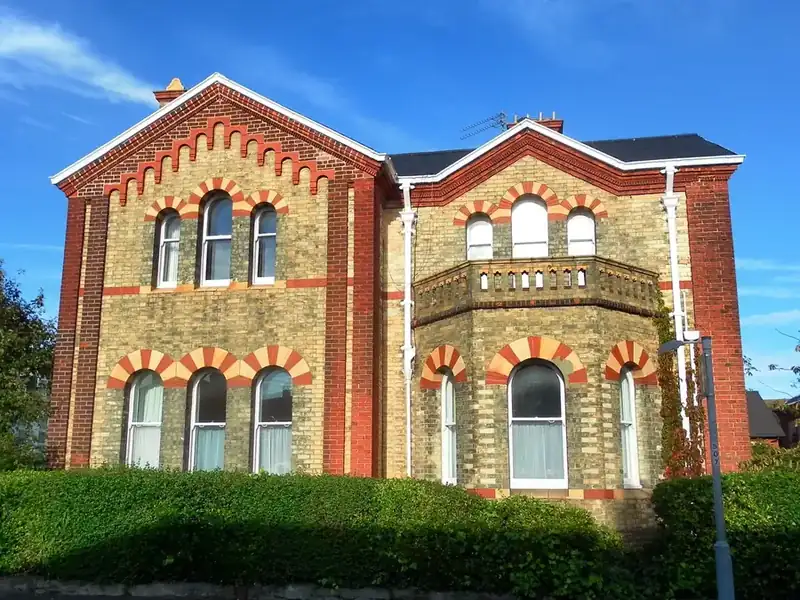
Plenty of owners of listed cottages in Mansfield Woodhouse or Market Warsop know exactly what they’ve got. Others only find out from a solicitor. If you’re not sure, search the National Heritage List for England before work starts. Like-for-like repairs in matching materials don’t usually need consent. Anything beyond that is worth a call to the council’s conservation officer first.
Two things make this different from ordinary planning. There’s no fee for listed building consent. And doing unauthorised work to a listed building is a criminal offence, not just a planning breach, so it’s not worth a gamble.
Villages outside Mansfield District: Ashfield and Newark & Sherwood
A Mansfield postcode doesn’t mean Mansfield District Council. Sutton-in-Ashfield, Kirkby-in-Ashfield and Huthwaite are Ashfield District Council for planning. Ashfield also runs building control through Erewash, so the forms end up in the same place as Mansfield’s.
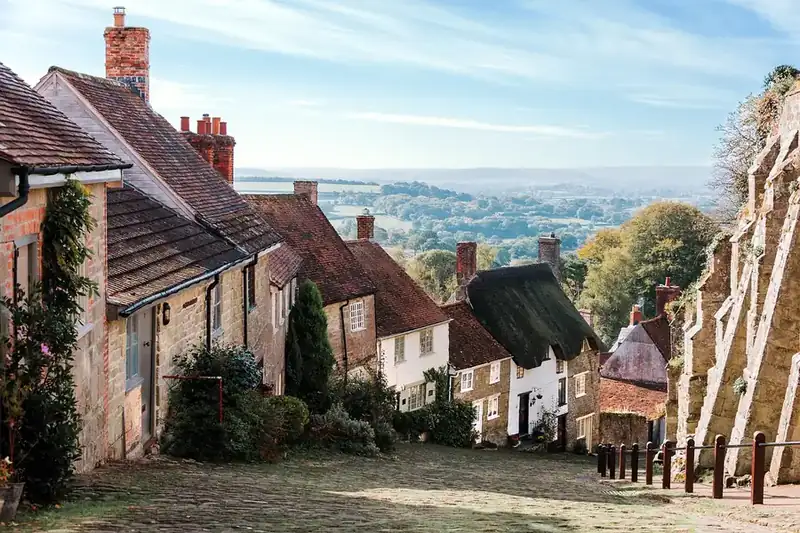
Clipstone, Rainworth, Blidworth, Ollerton and Edwinstowe come under Newark & Sherwood District Council, which uses East Midlands Building Consultancy for building regulations. Each district keeps its own conservation area list, so a house in Edwinstowe’s old village is judged by Newark & Sherwood’s rules, not Mansfield’s. Shirebrook, over the Derbyshire border, is Bolsover again. We broke the boundary lines down village by village in our recent post on roofers in Warsop, Shirebrook and Clipstone.
The building standards are the same national ones wherever you live. What changes is the name on the letterhead and where your roofer sends the notice.
Self-certification, Erewash and the paperwork to keep
There are two routes for notifiable roof work. The first is a competent person scheme. A roofer registered with a scheme such as CompetentRoofer can sign off their own work, notify the council and arrange for you to get a certificate, with no application or fee to building control. The second is going through building control directly, usually with a building notice for a straightforward re-roof. You or your roofer send it to Erewash, pay the fee, and an inspector visits.

Ask which route before you sign. “We’ll sort building control” can mean either, and the difference shows up years later when a buyer’s solicitor asks for proof the re-roof was signed off. If you can’t produce it, you may end up paying for an indemnity policy or a retrospective application.
When the job is done, keep these together:
- The scheme certificate or building control completion certificate for any notifiable work
- The written quote and specification, showing covering, membrane, battens and insulation
- Any planning, conservation area or listed building consent decision notice, plus the approved drawings
- The guarantee, and the insurance-backed policy if there is one
- Dated photos of the roof before, during and after
Ten minutes with a plastic wallet now beats a hunt through old emails when the house is under offer.
Frequently asked questions
Do I need building regulations approval to re-roof my house in Mansfield?
Usually, yes, if you are replacing the whole roof covering or a large part of it. Roofers work to a rule of thumb that anything over about a quarter of the roof area is notifiable, because the job then counts as renovating a thermal element and the loft insulation has to be brought up to standard where that is practical. A change to a heavier or lighter covering can also bring in a structural check. Either your roofer self-certifies through a competent person scheme, or an application goes to Erewash Borough Council, which processes building regulations for Mansfield District Council.
Which conservation areas are there in Mansfield District?
Mansfield District Council lists eleven: The Park, Market Place, Bridge Street, West Gate, Pleasley Park and Vale, Crow Hill Drive, Mansfield Woodhouse, Church Warsop, Nottingham Road, Terrace Road and Market Warsop. Like-for-like roof repairs inside them don't normally need planning permission, but changes to the look of a roof can, so check the council's map and the area's appraisal before you change materials, add rooflights or take a chimney down.
What does the Pleasley Vale Article 4 direction mean for roof work?
It applies to 1 to 7 Top Row, 6 to 9 Bottom Row and The Old Post Office on Bottom Row. On those cottages, alterations to roof tiles, chimneys and pots, gutters, soffits, verge and barge boards, rooflights and solar panels need planning permission where they can be seen from a road, waterway or open space. Like-for-like repairs and replacements don't need permission, and a dormer always does.
What paperwork should I get after roof work in Mansfield?
For notifiable work, either a competent person scheme certificate from your roofer, with the job registered with the council, or a completion certificate from building control. Keep the written quote and specification, any guarantee, any planning or listed building consent decision notice, and photos of the roof before and after. A buyer's solicitor may ask for the certificate when you come to sell.
Reading done - roof still needs looking at?
Free surveys across Mansfield and the towns around it, with a fixed written quote to follow.