
12 September 2026
Help With Roof Repair Costs In Mansfield: What Funding Actually Exists
No grant exists for a worn-out roof. Here is the honest list of what Mansfield households can get - ECO4, Warm Homes, DFGs, VAT relief and landlord duties.
Roof bills do not phase themselves in. A slipped tile costs a couple of hundred pounds in Mansfield, a chimney stack rebuilt with new lead runs into four figures, and a full re-cover on a three bedroom semi lands somewhere between £6,500 and £9,000 once scaffold and VAT are in. So the question people ask on the phone, usually about thirty seconds after the number is said out loud, is whether there is any help going.
The honest answer has two halves, and most of what is written online only gives you the first. There is no grant for a worn-out roof. There is, however, a real list of schemes that can pay for something roof-adjacent, reduce what you are charged, or move the bill onto somebody else entirely. Going by the people who ring us, several of them go unclaimed in this town. What follows is that list, with the eligibility stated as it is written rather than as a doorstep salesman would like it read.
Nobody hands out grants for a worn-out roof
Start here, because it saves weeks. Public money for housing in England is directed at three things: energy efficiency, heating, and disability adaptation. A covering that has reached the end of its life is none of those. It is maintenance, and maintenance has always been the owner’s problem.
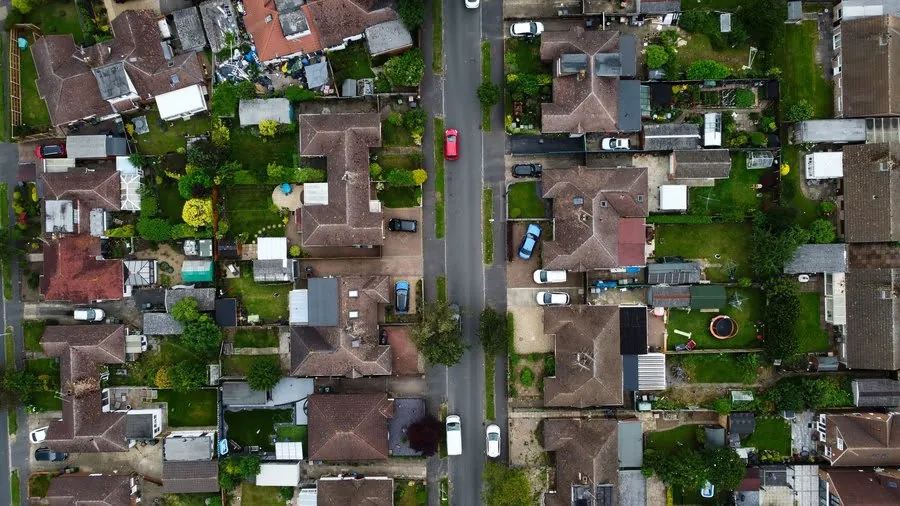
This matters locally because Mansfield’s housing skews old. The colliery-era terraces and inter-war semis that fill Pleasley Hill, Forest Town and the older Warsop streets are mostly on their second covering at best, and a lot of those roofs are now due. If a scheme existed that re-roofed half the coalfield, you would have heard it from your neighbours long before you heard it from us.
Anyone who knocks on the door claiming to be working for a council grant scheme is not. Ask what the job costs and what the work is, get it in writing, and read our breakdown of what roof repairs actually cost in Mansfield before you agree to anything. Knowing the real number is a better defence than any grant would be.
ECO4, and the insulation scheme that shut in March
The Energy Company Obligation is the biggest pot of money that comes anywhere near a domestic roof, and no scheme on this list gets misdescribed more often. ECO4 obliges energy suppliers to fund insulation and heating improvements in the homes of low income, fuel poor and vulnerable households. Ofgem’s guidance on the Energy Company Obligation confirms it applies to measures installed from April 2022 and now runs until 31 December 2026 following a nine month extension.
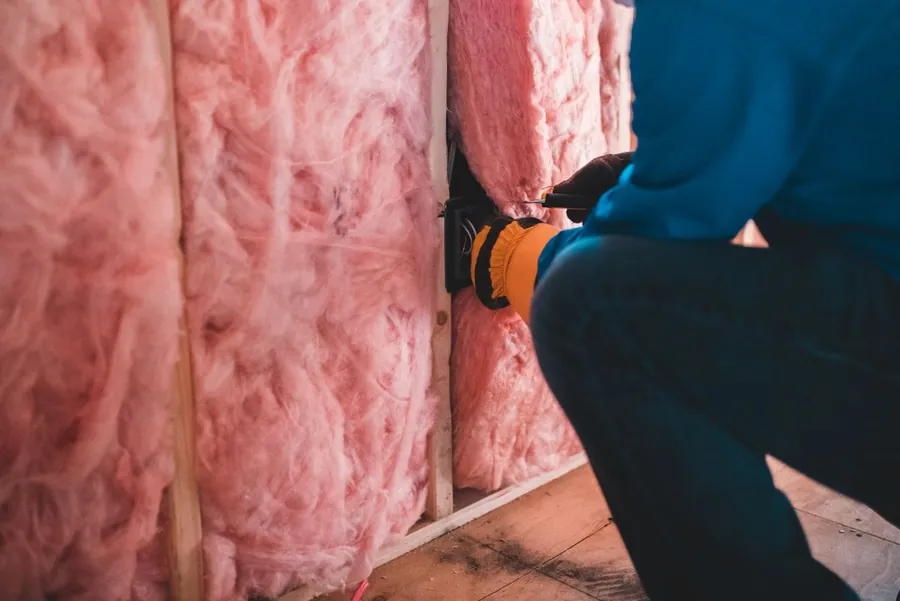
What it funds is insulation, not roofing. Loft insulation, room-in-roof insulation on a converted or partly converted loft, cavity walls, boilers and heat pumps. The grey area everyone asks about is whether a leaking roof over a loft gets repaired so the insulation can go in. Sometimes a surveyor will price remedial work as enabling work for the measure; sometimes the property is simply turned down until the covering is sound. Both happen regularly and neither is something you can demand, so plan on paying for the roof and treat any funded contribution as a bonus.
The second thing to know is that the Great British Insulation Scheme, the scheme most of the online “free insulation” adverts still quote, closed to new referrals on 31 March 2026. Pages across the internet have not caught up. Neither, in fairness, have some council pages. Check the date on anything you read about a named scheme, this article included.
Warm Homes: Local Grant, the scheme that replaced the Home Upgrade Grant
A separate strand of funding goes out through councils, aimed at privately owned homes with poor energy performance. For several years that job belonged to the Home Upgrade Grant. It has since been succeeded by the Warm Homes: Local Grant, funded at £500 million for delivery between April 2025 and March 2028. The government’s Warm Homes: Local Grant guidance sets out how it works, and Mansfield appears as a member of one of the successful consortium areas.
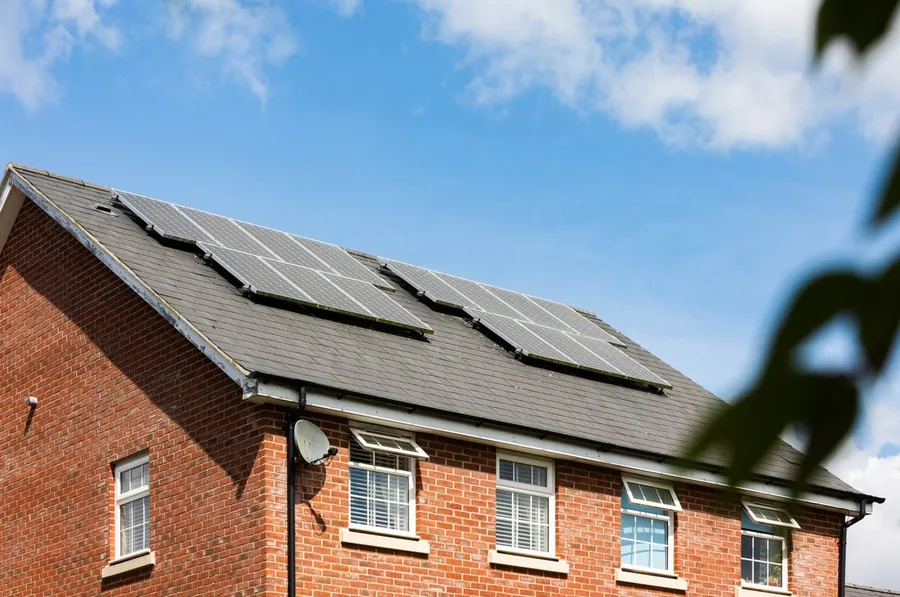
Delivery in this county runs through the county council working with Nottingham Energy Partnership. The Notts home energy support pages at Nottinghamshire County Council list the current criteria, which point to households with a gross income below £36,000 or in receipt of certain benefits, living in a property rated EPC D to G. Listed measures include loft insulation, room-in-roof insulation, cavity wall insulation, solar panels and air source heat pumps, fully funded rather than part funded.
Room-in-roof insulation is the one that matters most to anyone with a loft conversion or a bungalow with sloping ceilings, because it is fitted against the underside of the roof slope. It is also the measure most likely to be blocked by a failing covering. Get the roof surveyed first and you avoid an assessment that ends in a no.
What Mansfield District Council runs itself
Beyond the national schemes, the district council operates its own smaller pots, and these are the ones local people most often miss because they are not advertised anywhere near as loudly. The warm and healthy homes grants page at Mansfield District Council is the place to start.

Warm Homes on Prescription is aimed at owner occupiers with a long term health condition made worse by cold. The published test is a household income at or below £31,000 a year excluding housing costs and excluding disability and attendance benefits, with savings under £16,000. What it pays for is boiler repair or replacement and heating controls. The council is clear that it is not an emergency service, so it is not the route when the heating fails in January.
The same page also handles the council’s role in ECO4 Flex, the local authority referral route into ECO. One practical warning: the council page describes the ECO scheme as ending in March 2026 while Ofgem’s own pages carry the extension to December 2026. When two official sources disagree, ring the council and ask rather than assuming either one is current. Scheme dates, cost caps and income thresholds all move, sometimes mid-year.
That is not a criticism of the council. Keeping a website in step with Whitehall is a losing game.
Disabled Facilities Grants: the one route where roof work can be in scope
A Disabled Facilities Grant is not a roofing grant, but it is the single scheme where roof work can legitimately end up inside a funded job. The government’s Disabled Facilities Grant guidance puts the maximum in England at £30,000, means tested on household income and on savings above £6,000, with no financial test at all for families of disabled children under 19.

The link to roofing is structural. A ground floor bedroom or wet room extension needs a roof over it, and that roof is part of the funded works rather than a separate bill. Level access alterations at a back door can pull in porch and canopy work. None of that helps if the main roof is the thing that is failing, but we have seen households building an adaptation pay privately for roof work the grant would have carried, purely because nobody asked. The application route runs through the district council, and the assessment that starts it is an occupational therapist referral through Nottinghamshire County Council. Mansfield’s own Disabled Facilities Grants page explains the financial check and points to the county number for an assessment. It is slow, so start early.
If you rent, this is almost certainly not your bill
The district council is still a substantial landlord in its own right, and thousands more homes across the town are privately rented or held by housing associations. In all three cases the roof is the landlord’s responsibility, and a tenant who quietly puts up with a leak for two winters is doing somebody else’s maintenance for free.
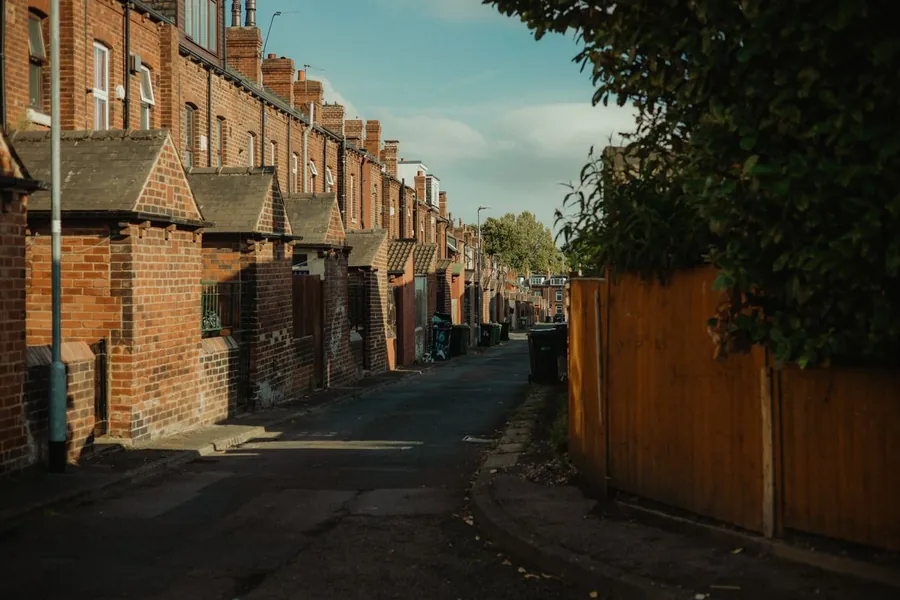
Council tenants report through Mansfield District Council’s responsive repairs service, which states that it is responsible for the outside of the home and its basic structure. Housing association tenants have an equivalent route through their landlord. For private tenancies, Section 11 of the Landlord and Tenant Act 1985 does the work, and the government’s guidance on repairs in private rented housing confirms that the structure and exterior, including drains, gutters and pipes, sit with the landlord.
The complications start where ownership is mixed, which on this district’s estates is common. A pair of semis where one half sold under Right to Buy and one half did not is two different repair regimes under one continuous ridge. Our guide to who owns the roof on ex-council houses in Mansfield goes through how that splits, and it is worth reading before you ring anybody.
Insurance is not funding, and the wording is the whole argument
People often file insurance under help with costs. Insurers do not see it that way. A buildings policy covers sudden and identifiable events - storm, fire, impact, falling trees - and nearly all of them exclude wear, tear and gradual deterioration in so many words.

That distinction decides most claims before a loss adjuster gets near a ladder. A ridge lifted in a named storm with wind speeds on record has a route. A roof that has shed mortar steadily since the 1980s does not, even though the water coming through the ceiling looks identical. Same puddle, different answer. Mansfield’s dryness works against homeowners here too. A town sitting at roughly 60% of the national rainfall average gets fewer of the dramatic weather events that make a claim straightforward, and far more of the slow ageing that insurers exclude.
If your damage is genuinely storm related, the sequence matters more than the policy wording. Photograph before touching anything, keep receipts for temporary make-safe work, and get the claim in quickly. Our step by step guide to storm damage roof claims in Mansfield covers what insurers accept and what they push back on.
VAT relief, home improvement agencies and the honest last options
Two VAT reliefs are worth knowing because they reduce the bill rather than fund it. Installation of energy-saving materials, which explicitly includes insulation for roofs and lofts, carries zero rate VAT until 31 March 2027 and then reverts to 5%, as set out in HMRC’s VAT Notice 708/6 on energy-saving materials. Ordinary roof repair, by contrast, is standard rated at 20% and there is no way round that.

The second relief catches people out in a good way. Renovation work on a dwelling that has been empty for at least two years immediately before the work starts can qualify for the reduced 5% rate under the rules in HMRC’s buildings and construction guidance. On a probate house or a long-empty property that needs a full re-cover, that is a meaningful saving, and it is claimed by the contractor rather than by you - so raise it before the quote is written, not after.
Finally, the quieter routes. Home improvement agencies are not-for-profit bodies run by councils, housing associations and charities that help older, disabled and low income homeowners get repairs organised and funded, and Citizens Advice guidance on help with home improvements explains how to find one. Nottinghamshire County Council also runs a handyperson service covering small adaptations and minor repairs for a modest fee. Neither will re-roof a house. Both are better than nothing, and both are free to ask.
None of the above is a substitute for a proper look at the roof. Knowing whether you are facing a £180 repair or a £7,000 re-cover changes which of these routes is worth chasing, and that answer costs nothing to get. Book a free roof survey in Mansfield and we will tell you which it is in writing.
Frequently asked questions
Is there a government grant for roof repairs in Mansfield?
Not for a roof that has simply worn out. No national or local scheme pays a homeowner to re-cover a tired roof or fix a leak, and any company telling you otherwise on the doorstep is selling something. Funding that does exist is aimed at energy efficiency, at disability adaptations, or at heating - so loft insulation, room-in-roof insulation, heat pumps and boilers. Roof work occasionally gets carried along as enabling work where an insulation measure cannot be fitted without it, but that is an installer and funder decision case by case, never an entitlement you can apply for.
Can ECO4 pay for my roof?
ECO4 pays for insulation and heating measures in the homes of low income, fuel poor and vulnerable households, and Ofgem confirms the scheme runs until 31 December 2026 after a nine month extension. It is not a roofing fund. Where a surveyor finds that loft or room-in-roof insulation cannot safely be installed because the covering above it leaks, some installers will price remedial work as part of the measure, and some will simply decline the property until the roof is sorted. Both outcomes happen, so treat any promise of a free roof through ECO with real suspicion.
What is the Warm Homes: Local Grant and can I get it in Mansfield?
It is the government scheme that succeeded the Home Upgrade Grant, funded at £500 million for delivery between April 2025 and March 2028, and Mansfield sits inside one of the successful consortium areas. In Nottinghamshire it is delivered with Nottingham Energy Partnership, and the published criteria point to households with a gross income below £36,000 or on certain benefits, living in a property rated EPC D to G. Measures listed include loft insulation, room-in-roof insulation, cavity wall insulation, solar panels and air source heat pumps. Criteria and funding windows change, so check before you count on it.
I rent my house in Mansfield - who pays for the roof?
Your landlord, in almost every case. Mansfield District Council states plainly that it is responsible for the outside of its tenants' homes and their basic structure, and the same duty sits on housing associations. Private landlords are bound by Section 11 of the Landlord and Tenant Act 1985, which puts the structure and exterior, including gutters and downpipes, on them rather than on you. Report the fault in writing, keep a dated copy, and photograph any damage inside.
Does home insurance count as help with roof repair costs?
Only for sudden, identifiable damage. Buildings insurance responds to storm, fire, impact and falling trees, and most policies exclude wear, tear and gradual deterioration outright. That means a slate stripped off in a named storm has a route and a roof that has quietly aged out over forty years does not. If a claim is arguable, photograph everything before any temporary repair is made, and keep the receipt for making the roof safe, since that cost is usually recoverable even when the main claim is not.
Reading done - roof still needs looking at?
Free surveys across Mansfield and the towns around it, with a fixed written quote to follow.