
31 August 2026
The Roofer At Your Door: How Mansfield Homeowners Get Talked Into Repairs They Don't Need
Doorstep roofing cold callers work Mansfield's estates every year. The scripts they use, your legal rights, and how to check a roofer is real before paying.
Every year, usually between spring and late autumn, a wave of vans works the estates around Mansfield knocking on doors about roofs. Some belong to honest small firms drumming up trade the old way. A persistent few belong to crews whose actual business is the knock itself - the roof is just the excuse. As a firm that fixes roofs here for a living, we end up seeing their aftermath: the £900 “ridge repair” that was a smear of mastic, the pensioner in Warsop paying monthly for work that never happened. This post is the one we wish every homeowner in the district had read before answering the door.
Why the doorstep pitch works so well here
Cold calling survives because it’s efficient at finding the right victims. A roof is the one part of a house its owner has usually never seen up close - most people couldn’t say with confidence what their own ridge line looks like, which makes any confident claim about it hard to argue with.
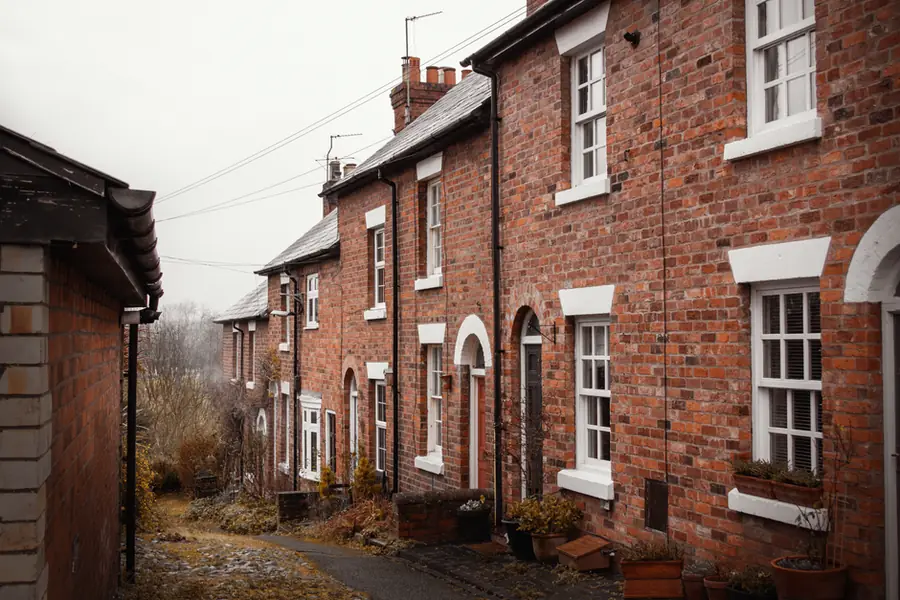
Mansfield’s housing makes the pitch easier still. The district is full of older stock - colliery-era terraces, estates roofed in mid-century concrete tile - where a claim of wear is always half-plausible, because on a roof that age there is always something that could be pointed at. Our common roof problems page shows what genuine faults look like; the doorstep version is usually a vaguer, more urgent story. And the crews pick their audiences deliberately, working streets with older residents in daytime hours when a household is home alone. None of this is accidental. It’s a sales method refined against people exactly like your neighbours.
The scripts, word for word
The openers barely change from year to year, which is itself useful - once you can name the script, its spell mostly breaks.
“We’re working on a roof just round the corner and noticed yours.” This is the classic, and its charm is that it explains everything: why they’re here, why they know about your roof, why the price is low (“the scaffold’s already up, so we can do yours cheap”). Ask which house, exactly, and watch the answer soften into “just down the road.”
“You’ve got a slipped tile - lucky we spotted it.” Sometimes true, occasionally arranged. Then the ladder goes up, and the £80 tile becomes a £2,000 discovery: rotten battens, “your felt’s gone,” crumbling mortar that photographs terribly and means little.
“Cash price, today only.” Every part of that sentence is a warning. Real quotes are written, hold for weeks, and don’t expire when the van leaves the street.
The ladder trick: paying for a roof you cannot see
The cruellest part of the con is structural: once someone is up a ladder, you are relying on their honesty alone for what they find, because you cannot follow them up to check.
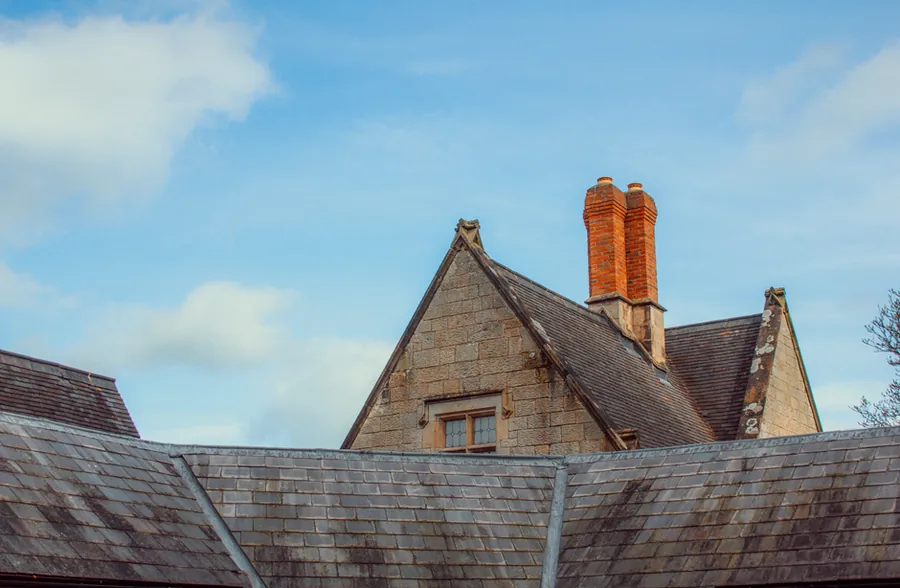
Rogue crews exploit this gap in three reliable ways. They photograph damage that isn’t yours - a picture of someone else’s rotten timber shown on a phone screen proves nothing about your roof. They create damage, lifting or cracking a tile to manufacture the problem they then quote to fix. And they invoice for invisible work: “rebedded your ridge, replaced forty tiles” on a roof where, when we’re later asked to inspect, nothing has been touched except the homeowner’s savings. The defence is simple and total: nobody goes up your roof on the strength of their own say-so. If a stranger claims damage, the claim costs nothing to park for forty-eight hours while someone you chose takes a look.
Storm chasers: the after-the-weather wave
The knock rate around Mansfield triples after bad weather, and the pitch sharpens: now there’s a named storm to blame, visible debris in gardens, and a genuine sense of urgency to borrow.

Storm chasing adds a second hook: “your insurance will pay.” Some crews offer to handle the claim themselves, which hands a stranger both your roof and your policy. The safer order of operations after weather damage is the one we set out in our guide to storm damage and insurance claims in Mansfield: photograph everything, make safe cheaply, notify your insurer, and let a firm you selected do the quoting. Insurers are entirely used to genuine claims handled that way. What they routinely refuse are inflated invoices from traders the homeowner met on the doorstep the day after the wind.
Your actual legal rights on the doorstep
Here is the part the crews rely on you not knowing: the law already leans your way.
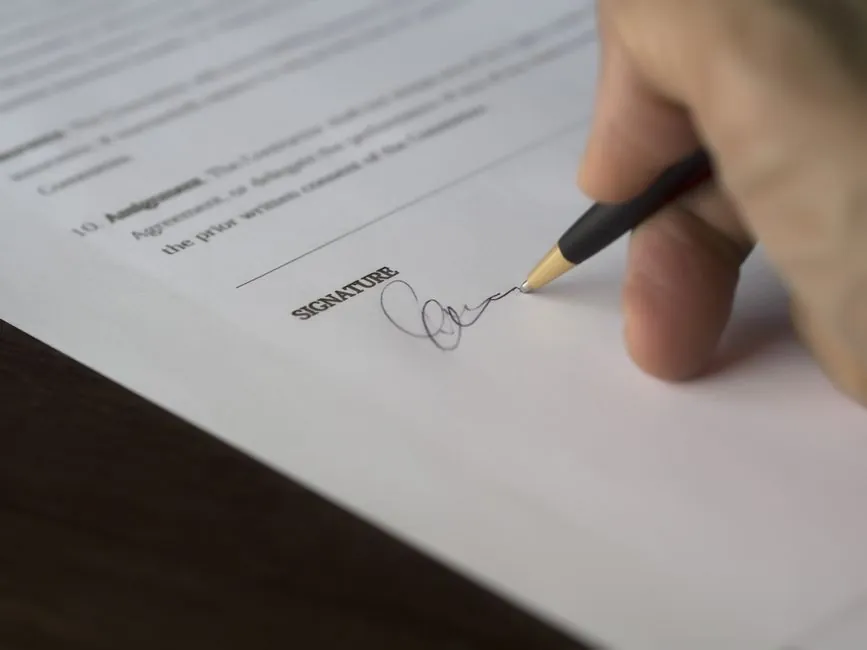
For most contracts agreed in your home worth over £42, you have a legal right to cancel within 14 days, and the trader is required to tell you so in writing - a trader who skips that notice can lose the right to your money entirely. High-pressure and aggressive selling isn’t just unpleasant, it can be a criminal offence under consumer protection law. The government’s summary of consumer protection rights covers the ground, and Citizens Advice’s scam checker is a fast sanity test when something feels off. Two practical notes: cancelling in writing beats cancelling by phone, and “we’ve already started the work” does not automatically extinguish your rights when the trader talked you into starting inside the cooling-off window.
How to check a roofer is real, in ten minutes
Every genuine firm can pass this checklist without noticing it’s being tested; no rogue crew can pass all of it.

Get the full trading name and registered address, and look the company up at Companies House - a firm registered last month with no filed accounts tells its own story. Search the name plus “reviews” and read the bad ones, which reveal more than the good ones. Ask for two addresses of completed local jobs and drive past. Ring the landline, not just the mobile. Check any scheme badges they claim - membership numbers can be verified with the scheme, and Nottinghamshire Trading Standards deals with traders who wear logos they’ve never earned. Finally, apply the time test, the single most reliable one on this list: a legitimate roofer’s quote will still be valid in three weeks, so anyone whose price dies at sunset was never selling you a roof repair.
If it’s already happened
No shame attaches to being caught by people who deceive homeowners for a living - and acting quickly still counts.

Ring your bank first: credit card payments over £100 carry Section 75 protection, and debit card payments can sometimes be clawed back through chargeback if you move fast. Put your cancellation in writing if you’re inside 14 days. Report the trader through Citizens Advice so the case reaches Trading Standards, and if you feel you were threatened or deceived rather than merely overcharged, tell the police as well. Then - only then - get the roof itself looked at by someone local and checkable, because in our experience about half the time the original “urgent fault” needs nothing doing at all.
If a caller has left you wondering whether your roof genuinely has a problem, that question has a free answer. We’ll survey it, photograph what we find from the roof itself, and tell you plainly - including when the honest verdict is that there’s nothing wrong.
Frequently asked questions
Is every roofer who knocks on doors in Mansfield a rogue trader?
No, and it would be unfair to say so - some legitimate small firms still leaflet or knock when they're working nearby. The difference is in what happens next. A genuine firm leaves a card, takes no money, applies no deadline and is perfectly happy for you to check them out and call back in a fortnight. The moment a caller wants a decision today, cash today, or wants to start work today, the odds have moved badly against you, and declining costs you nothing.
Someone told me my roof is dangerous and needs fixing today. What should I do?
Thank them, close the door, and get a second opinion before any money changes hands - from a firm you find and contact yourself, not one they recommend. Genuinely dangerous roof faults are rare and visible: a stack leaning over a pavement, tiles hanging over a door. Almost everything else can safely wait the two or three days a second opinion takes. Any local firm, ourselves included, will look for free, and a real emergency has cheaper make-safe options than a stranger's full repair.
I've already paid a doorstep roofer. Can I get my money back?
Sometimes, and speed helps. If you paid by credit card, or by debit card recently, ring your bank and ask about Section 75 or chargeback protection. If the contract was agreed at your home within the last 14 days you may still have the legal right to cancel. Report the trader to Citizens Advice, who pass cases to Nottinghamshire Trading Standards - reporting matters even when your own money is gone, because these crews rely on nobody bothering.
How do I check whether a Mansfield roofer is legitimate?
Ask for the full trading name and address, then check them at Companies House and search the name with the word 'reviews'. A real firm has a footprint: a landline as well as a mobile, an address that isn't just a house on the other side of the country, jobs you can drive past, and no objection whatsoever to you taking your time. Every step of that checking is free, and a trader who discourages it has answered your question for you.
Reading done - roof still needs looking at?
Free surveys across Mansfield and the towns around it, with a fixed written quote to follow.