
8 September 2026
How Much Does A New Roof Cost In Mansfield? A Re-Roof Quote, Line By Line
A full re-roof on a Mansfield semi priced line by line - scaffold, strip, membrane, tiles, leadwork, VAT and building control - so you can read any quote you're handed.
We get asked for a ballpark on a new roof most weeks, and the honest answer is that a ballpark is nearly useless until you know what is inside it. A figure of £7,000 might include scaffold, skip, membrane and a ten-year guarantee, or it might be a tile-only price with everything else added later. So instead of another list of national averages, this post takes a real type of house in Mansfield, a 1930s three-bed semi of the kind that fills Forest Town, Ladybrook and Mansfield Woodhouse, and prices the re-roof the way a quote should be written: one line at a time, with what each line is for and what makes it move.
Two numbers to hold in your head before we start. A semi like this carries roughly 80 square metres of roof across both slopes. And more than half of the ones we see are still wearing the concrete tiles that replaced the original slate or clay in the 1970s and 80s, which means a lot of the town is due at the same time.
The house we’re pricing
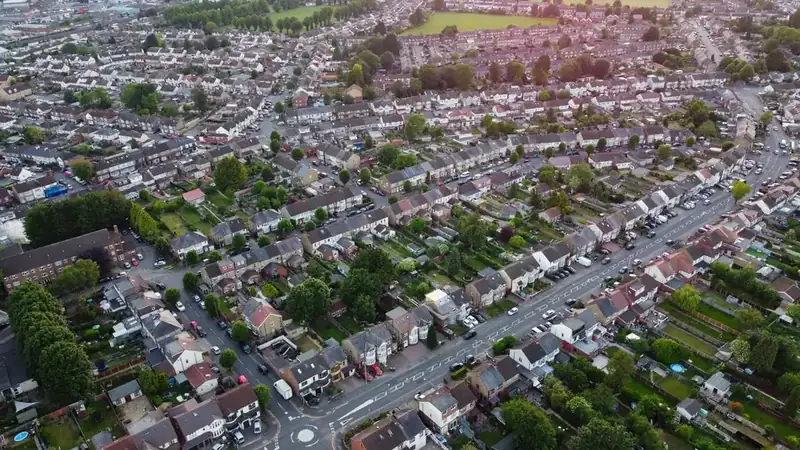
Picture a brick semi on one of the roads off Clipstone Road East. Two slopes, a gable at one end and a shared party wall with the neighbour at the other, one chimney stack on the party line, a small bay at the front, and a loft that was insulated under a grant scheme around 2010. The concrete interlocking tiles went on in 1982. The surface has gone sandy, the ridge mortar has cracked along its whole length, and the felt underneath is the old black bitumen type that tears if you look at it. It has had three patch repairs in five years. This is the point where a roof replacement stops being an expensive option and becomes the cheaper one.

Everything below is priced for that house, in 2026, including VAT unless we say otherwise. Your house will differ. The lines will not.
Line one: the scaffold
Nothing happens without it. A full re-roof means people and materials on the roof for a week or more, and roof ladders do not cut it for that. For a semi with clear access front and back, expect the scaffold line to sit between £900 and £1,400. That covers erection, a week or two of hire, an edge protection rail at the eaves and a chute or hoist point for getting old tiles down.
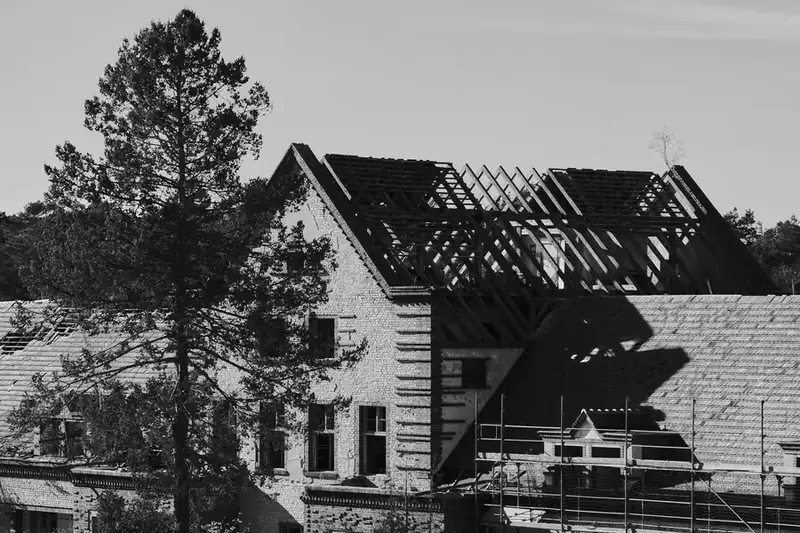
What pushes it up is anything that makes the scaffold harder to stand. A conservatory or lean-to across the back means bridging over it. A narrow side passage shared with the neighbour means asking their permission and sometimes a smaller, fiddlier tower. If the scaffold has to sit on the pavement, which it does on the tighter terraces near the town centre, there is a licence to apply for from the highways authority, and that adds both cost and lead time.
If a quote has no scaffold line, ask where it went. Either it is coming as an extra, or the roofer intends to do the job without it, and neither is good news.
Line two: stripping it and taking it away
Eighty square metres of concrete tile is somewhere around four tonnes of material, plus the battens, plus the old felt, plus whatever has been living in the eaves for forty years. A two-person crew strips a semi in a day. The waste needs two eight-yard skips, sometimes three, at £280 to £350 each in this part of Nottinghamshire, or a grab lorry if the tiles can be piled on the drive.

So the strip and disposal line lands at £700 to £1,100 all in. Two things can move it. Old clay or slate that is in good enough condition to be sold on is worth money, and a fair roofer will either knock that off or tell you they are keeping it. And if the tiles turn out to be sitting on a layer of older tiles, which happens on some of the pre-war colliery housing where a previous roofer overlaid rather than stripped, the weight and the skips both double.
Line three: what goes back on before any tile
This is the line most homeowners never look at and the one that decides how long the roof lasts. Once the rafters are bare, three things go on. A breathable membrane replaces the old bitumen felt, lapped and dressed into the gutter so any water that gets past a tile runs out rather than into the eaves. New treated battens go across the membrane at the gauge the tile manufacturer specifies. And any ventilation the roof lacks gets built in here, either as an eaves strip or as vent tiles, because after all the loft insulation put into Mansfield homes over the last fifteen years, a sealed roof space will sweat.
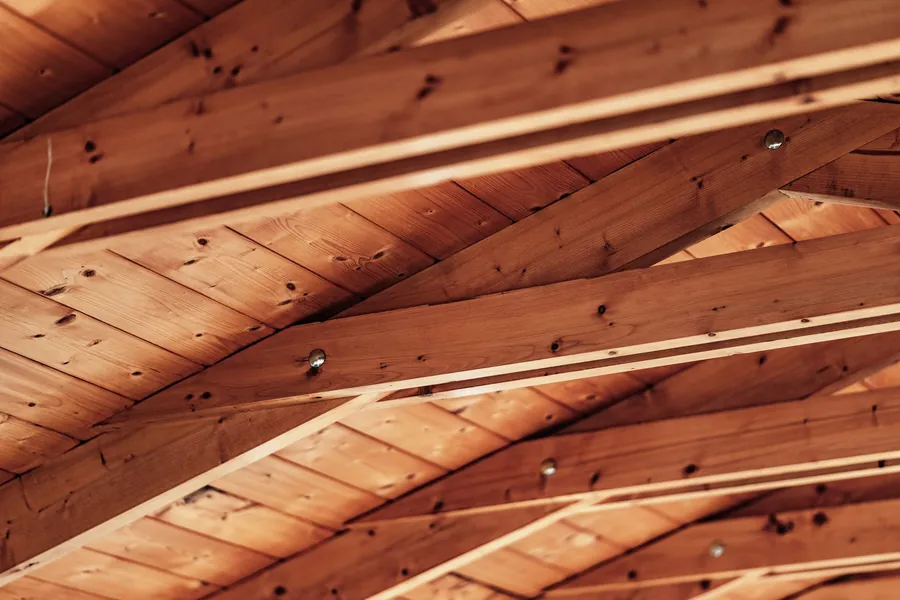
For our semi: membrane, battens, eaves ventilation, new fascia-level felt support trays and the labour to fit them, £900 to £1,400. This is also where the surprises live. Rafter feet that have rotted where the old felt held water against them, a purlin that has sagged, batten that is nailed into fresh air because the nails rusted out decades ago. A decent quote carries a provisional sum for timber repairs, typically £200 to £400, and tells you the rate if it goes beyond that. A quote that assumes perfect timber under a forty-year-old roof is assuming something the roofer cannot have seen.
Line four: the tiles, and the weight question
Now the line everyone looks at first. On a like-for-like job, new concrete interlocking tiles for 80 square metres cost £1,400 to £2,200 in material, depending on the profile and the maker, plus the labour to lay them, which for a straightforward two-slope semi is another £1,200 to £1,800. Call the tile line £2,600 to £4,000.
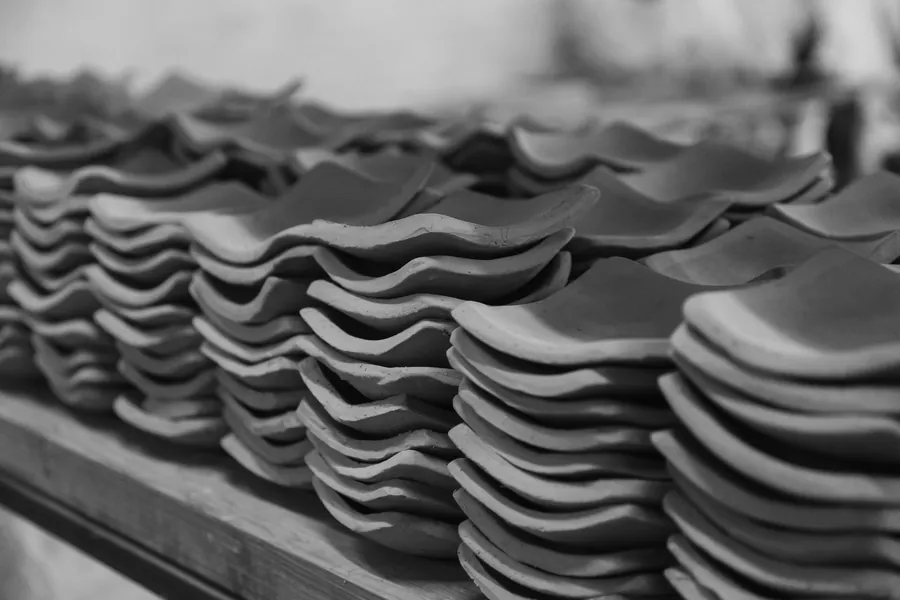
Change the covering and the line changes shape. Clay plain tiles, the small flat ones on the Victorian terraces around Rosemary Street and the Bath Lane end of town, need roughly 60 tiles per square metre against 10 for an interlocking tile, so both the material and the laying time climb. Budget £5,000 to £7,500 for the same roof in plain clay. Natural slate is dearer again for the material but quicker to lay, and reclaimed Welsh slate can be found at sensible prices if you are not in a hurry.
Then there is weight, which matters more here than people expect. Concrete interlocking tiles come in at around 45 to 55 kilograms per square metre. Slate is nearer 25 to 30. If your house started life under slate and someone put concrete on it in 1978, the rafters have been carrying almost double their design load for nearly fifty years, and the flat spot you can see from the road is why. Going back to a lighter covering is a genuine option on these houses and it takes strain off timbers that have already had a hard life. The other direction, slate to concrete, needs a check that the structure can take it. We have one done on any pre-1930 roof before quoting.
Line five: ridges, verges, chimney and lead
The small lines that add up. On a semi you have one ridge of around eight metres, one gable verge of around twelve, and a stack.
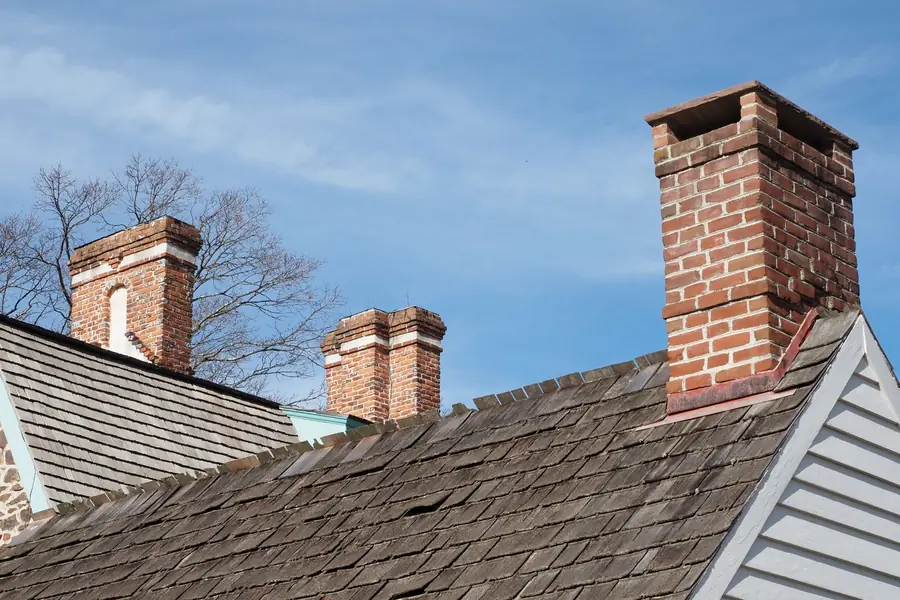
Ridge and verge should be dry fixed, which means mechanically screwed and clipped systems rather than a bed of mortar. The British Standard for slating and tiling, BS 5534, has required ridge and hip tiles to be mechanically fixed since 2015, and mortar-only ridges are one of the first things to go on an exposed roof in a Nottinghamshire gale. Dry ridge and dry verge together add £500 to £800 on our semi, and they are worth every penny because you will never repoint them.
The chimney is the wildcard. If the stack is sound, new lead flashings and a back gutter run £350 to £600. If the brickwork above the roofline has been eaten by decades of coal smoke, which on ex-colliery housing it often has, you are into repointing or a partial rebuild at £600 to £1,500, and this is the moment to do it because the scaffold is already there. On a lot of Mansfield semis the stack is shared with next door, so half that bill can fairly go over the fence. Where the fireplace was blocked up years ago, taking the stack down below the roofline and tiling over is sometimes cheaper than repairing it.
Add a lead soaker line at the party wall and a new gutter if the old one is cast iron and cracked, and the ancillary total on our house is £1,100 to £2,400.
The lines that aren’t on the quote: VAT, building control, the guarantee
Three things decide whether two quotes are comparable, and none of them is a tile.

VAT first. Re-roofing an existing house is standard rated at 20%. A limited company or any trader turning over more than the VAT threshold has to charge it. A sole trader under the threshold does not, and that alone can make one quote a fifth cheaper than another for identical work. Neither is wrong. But a quote that does not say whether VAT is included is a quote you cannot compare with anything, so ask.
Building control second. Replacing more than a quarter of a roof covering counts as renovating a thermal element under the Building Regulations, which means the loft insulation has to be brought up to the current standard where that is practical and the work has to be notified. The Planning Portal’s guidance on re-roofing and building regulations sets out the thermal and structural rules in plain terms. A roofer registered with a competent person scheme can self-certify; otherwise a building notice goes to Mansfield District Council’s building control service and the fee, usually £200 to £350, is another line. Solicitors ask for the certificate when you sell, and a missing one has held up more than one sale in this town.
Guarantee third. Ours is ten years on workmanship. Tile makers typically warrant the product for thirty years or more, and membrane makers for fifteen to twenty-five, but those cover the material and not the fitting. Ask who stands behind the labour, and for how long, and whether the guarantee is insurance backed so it survives the firm. The National Federation of Roofing Contractors lists members who offer backed guarantees, and it is a reasonable place to check a name.
So what does a new roof cost in Mansfield?
Add the lines up for our Forest Town semi in concrete interlocking tile, dry fixed, with a sound chimney and no nasty timber:
Scaffold £900 to £1,400. Strip and skips £700 to £1,100. Membrane, battens and ventilation £900 to £1,400. Tiles and laying £2,600 to £4,000. Ridge, verge, lead and chimney £1,100 to £2,400. Provisional timber sum £200 to £400. That is £6,400 to £10,700, and most of ours for this house land in the £6,500 to £9,000 band because the top of every range rarely happens at once.
A mid-terrace is smaller and has no verge, so £5,000 to £7,000. A 1960s estate semi with a shallower pitch and no chimney is often cheaper than the 1930s one. A detached house on Berry Hill with hips, a valley and two stacks is £9,000 to £14,000. Switch to clay plain tiles and add £2,500 to £4,000 to any of those. The repair costs by house type we published a few weeks ago sit at the other end of the same scale, and comparing the two is how you decide which end you are at.
Forget the total. Keep the list. Hand any quote you receive to the lines above and see which ones are missing, because that gap is where the surprise lives. We itemise every re-roof this way as standard, and we will price yours the same.
Frequently asked questions
How much does a new roof cost in Mansfield for a three-bed semi?
For a standard semi with a roof of around 80 square metres, re-covered in concrete interlocking tiles on new membrane and battens with dry ridge and verge, our quotes in 2026 mostly land between £6,500 and £9,000 including VAT and scaffold. A mid-terrace with two shared gables comes in lower, usually £5,000 to £7,000. A detached house with hips, valleys and two stacks can reach £12,000 or more. Clay plain tiles or natural slate add anywhere from a third to double the tile line, so ask which covering a quote assumes before you compare it to another.
Do I need building regulations approval to re-roof my house in Mansfield?
Yes, if more than a quarter of the roof covering is being replaced, which every full re-roof is. The work counts as renovating a thermal element, so building control expects the loft insulation to be brought up to current standard where that is practical, and they want to know about the job. A roofer registered with a competent person scheme can self-certify and issue the certificate; otherwise a building notice goes to Mansfield District Council and there is a fee. Keep the certificate, because solicitors ask for it when you sell.
Can I put concrete tiles on a Mansfield roof that currently has slate?
Often, but not automatically. Concrete interlocking tiles weigh roughly twice what slate does per square metre, so the rafters and purlins have to be able to carry the extra load. On most Mansfield houses built from the 1930s on, the timbers are heavy enough or can be strengthened cheaply. On older terraces with slender Victorian rafters we have a structural check done first. Going the other way, from concrete back to slate, is nearly always fine for weight and the roof looks better for it.
Why is one Mansfield roofing quote £2,000 cheaper than another for the same house?
Usually because they are not for the same job. The most common gaps are scaffold left out or priced as an extra, old bitumen felt reused instead of new breathable membrane, mortar bedded ridges instead of dry fix, and no allowance for replacing rotten batten or fascia found after the strip. VAT is the other big one: a sole trader under the VAT threshold legitimately does not charge it, which is a 20% difference before a single tile is priced. Ask each roofer to itemise, then compare line by line rather than total against total.
Reading done - roof still needs looking at?
Free surveys across Mansfield and the towns around it, with a fixed written quote to follow.