
15 September 2026
Lead Flashing And Metal Theft On Mansfield Roofs: Spotting It, Replacing It And Where You Stand On Insurance
Lead is the only part of a roof worth stealing. How to tell theft from failure on a Mansfield roof, what replacement costs, and what insurers actually pay for.
Of everything on a Mansfield roof, only one component is worth money to a stranger. Tiles are heavy and hard to sell, felt is worthless, and nobody is climbing a ladder at night for a plastic gutter. Lead is different, and thieves have known it for as long as there have been weighbridges. The good news is that the trade got a lot harder for them: paying cash for scrap has been an offence since 3 December 2012, dealer licensing came in with the Scrap Metal Dealers Act on 1 October 2013, and recorded metal theft across England and Wales fell from 62,075 offences in the year to March 2013 to 15,947 by the year to March 2020. The less good news is that when metal prices climb, the ladders come back out. Mansfield has plenty for them to aim at, from the bay roofs of the town centre terraces to a Grade I listed parish church. Most people only find out any of this after the ceiling has gone brown.
Watch: where your lead is, and where you stand when it goes missing.
Where the lead on a Mansfield roof actually sits
Most homeowners could not point to the lead on their own house, which is part of the problem. It hides in the joints. The biggest single lump sits around the chimney: a front apron across the face of the stack, stepped flashings running up both sides into the mortar joints, and a back gutter behind it catching everything the slope above sends down. On a pre-war terrace that is a surprising amount of metal in one place, which is why stacks are the most-hit target on ordinary housing and why chimney repairs so often start with what is missing rather than what is cracked.

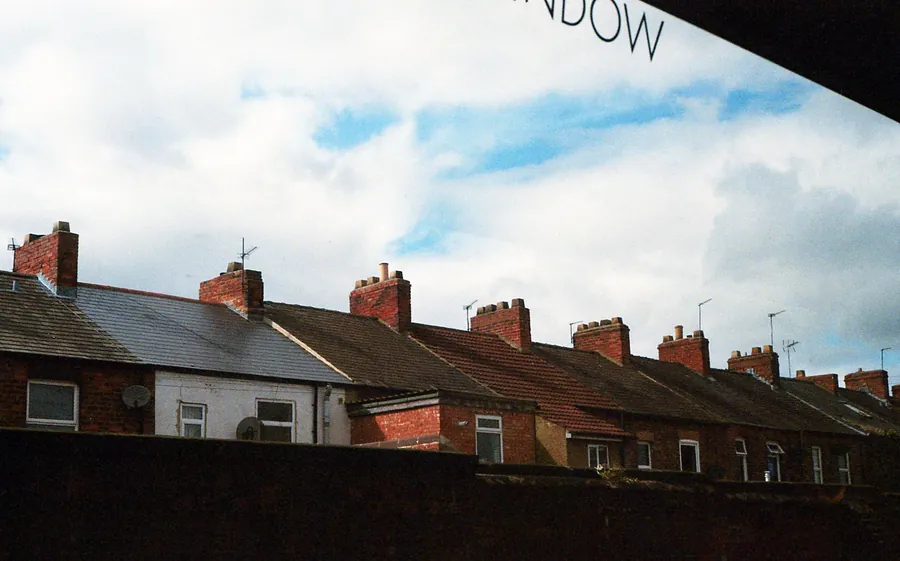
After that, the list is shorter but spread wider. Valleys between two roof slopes are lined with it. Bay window roofs on the Victorian streets around the town centre are usually a lead flat, sometimes the original sheet. Porch canopies on the interwar and postwar semis are frequently lead. Dormer cheeks, the small collars around soil pipes, the abutment where a rear extension meets the house wall, parapet gutters on the older commercial frontages - all lead, all reachable, all quiet.
There is one local quirk worth knowing. A great deal of Mansfield’s colliery and council-built housing never had lead at the abutments at all. Builders used sand and cement fillets instead, because they were cheaper and the houses were going up fast. Those fillets crack and let water in eventually, but they have one accidental virtue: nobody has ever stolen one.
Taken, or simply worn out? Reading the difference
This matters more than it sounds, because the answer changes who pays. Failure is your bill. Theft may be a claim.
Theft leaves a tidy scene, oddly enough. Lead cuts cleanly with a knife, so the giveaway is a straight edge where no straight edge should be, often with the last inch left behind in the mortar joint because it was quicker to slice than to pull. You will usually see the bare mortar rebate the flashing was wedged into, still holding the little lead tacks. Underneath, the felt or the brickwork is exposed and untouched by weather, because it has only been out there a few days. Look at the ground too: scuffed moss on the slope, a flattened border, an offcut dropped in the gutter, scratches on a rear downpipe where somebody used it as a ladder.
Failed lead looks nothing like that. It is still there, for a start. Old flashings split along their fold lines, because sheets cut too long expand and contract until the metal fatigues, and the split runs with the bend rather than across the sheet. You may see a chalky white bloom, which is surface carbonate and harmless in itself. You may see a flashing that has crept out of its joint as the pointing crumbled, hanging proud of the brick. The timing is a clue as well. A leak that appears the first wet morning after a dry, still week is a suspicious leak. A leak that has been getting slowly worse each winter for three years is an old roof being old.
What the water does next, and how fast it moves
The theft itself is cheap. The consequences are where the money goes, and they arrive faster than people expect.
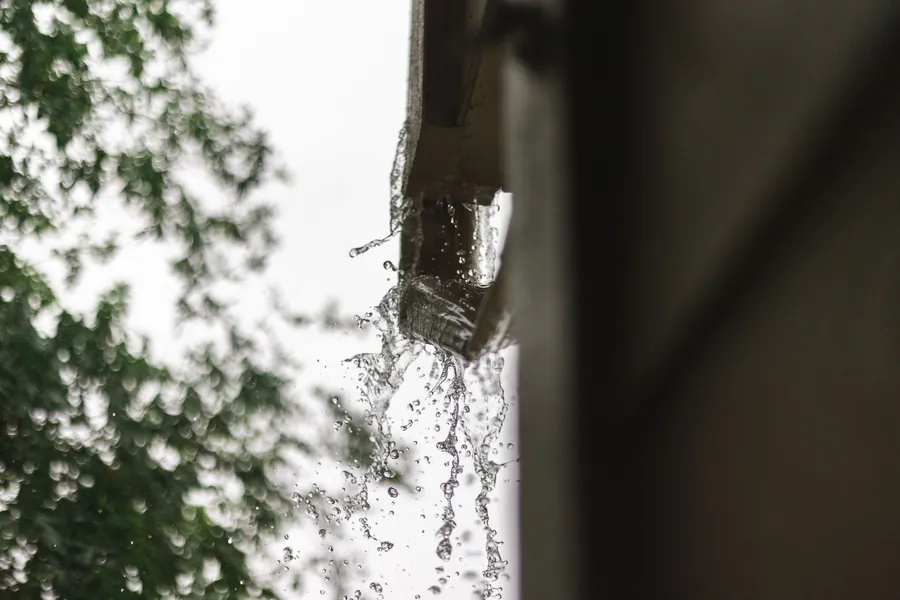
A chimney with its apron gone has no barrier between the stack and the roof void. Water follows the brickwork down, soaks the mortar, and drops onto whatever is below, which is usually a bedroom ceiling. One decent wet spell is enough for a visible stain. Two or three, and you are into blown plaster, lifting coving and a redecoration bill. A stripped bay roof is worse because it drains inward rather than off, so the water lands directly on the ceiling of the room below and stays there.
Mansfield’s relatively low rainfall works against homeowners here in an unexpected way. Fewer downpours means longer gaps between the theft and the first drip, and people who spot the damage in November can be looking at a flashing that vanished in September. By then the joists have been damp for weeks, the loft insulation above the ceiling has slumped and stopped working, and anything electrical routed through the roof space has had water near it. This is why we would rather someone rang about a suspicious dry-weather leak than waited to be sure.
What replacement actually costs
Scrap value and replacement cost are not in the same league, which is the cruel arithmetic of the whole business. The lead off a typical domestic chimney might weigh 25 to 40 kilos. At a licensed yard that is pocket money. Putting it back is not.
As a guide to our own 2026 quoting around Mansfield: a full set of chimney flashings replaced in new lead, including raking out and repointing the joints, typically runs £400 to £750 on a standard two-storey house. A short valley comes in around £700 to £1,400 depending on length and whether the tiles either side need resetting. A bay window roof, which is a proper piece of leadwork rather than a flashing, lands between £900 and £1,800. Parapet and box gutter linings on the older town centre buildings go higher again.
Access sits on top of all of it. Anything at stack height needs a tower or a scaffold, and that adds several hundred pounds before a roofer has touched the metal. So the sums rarely work out the way anyone expects. Somebody walks off with forty pounds’ worth of lead and leaves behind a four-figure bill, most of it spent on getting a man back up to where the lead used to be.
Putting it back: correct code lead, or a substitute?
If it is going back in lead, the sizing is not a matter of taste. Rolled lead sheet is made to BS EN 12588 and graded by code number, with Code 4 the normal choice for chimney aprons and step flashings, and Code 5 or heavier for valleys, back gutters and bay roofs that hold water. Piece lengths matter just as much: individual flashings are kept to around 1.5 metres and lapped, because a longer sheet fixed at both ends will eventually tear itself along a fold. The Lead Sheet Training Academy publishes the detailing guidance the trade works to, and it is worth asking whether a quote follows it.
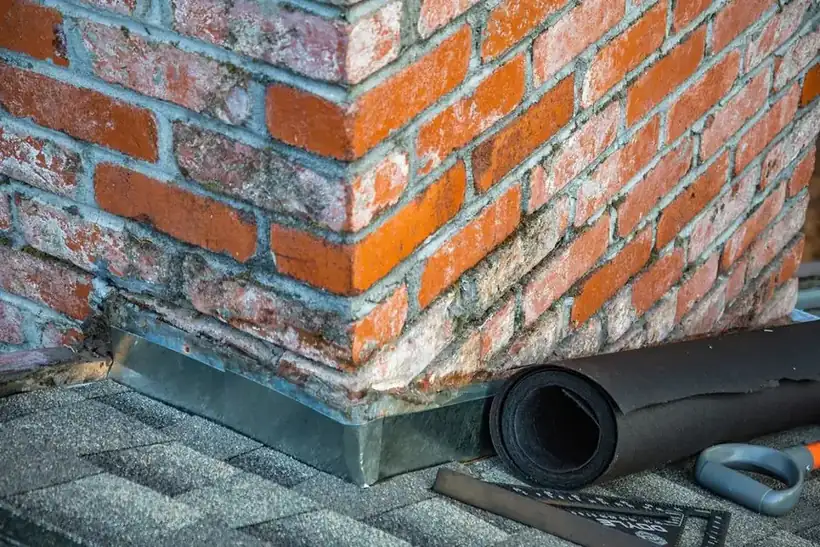
The alternative is not to use lead at all. Lead-free flashing materials - aluminium mesh and bitumen composites, sold in rolls and dressed by hand much like the real thing - do the job on the majority of domestic abutments, carry long manufacturer guarantees, and have one advantage no lead flashing can offer: a scrap dealer would not give you a penny for them. For a house that has already been hit once, that argument usually decides it on the spot.
Where substitutes are not the answer, be honest about it. Listed buildings and properties inside conservation areas usually need like-for-like replacement, which rules the alternatives out. Wide valleys, parapet gutters and bay roofs that stand water still favour properly sized lead. And self-adhesive flashing tape, which every builders’ merchant sells, is a genuinely useful thing to get a roof through a wet fortnight and a poor thing to leave there for five years. Use it to buy time, not to finish the job.
Making your roof a harder target
Nobody scales a sheer wall for lead. They climb something you left out, which means most prevention costs nothing.
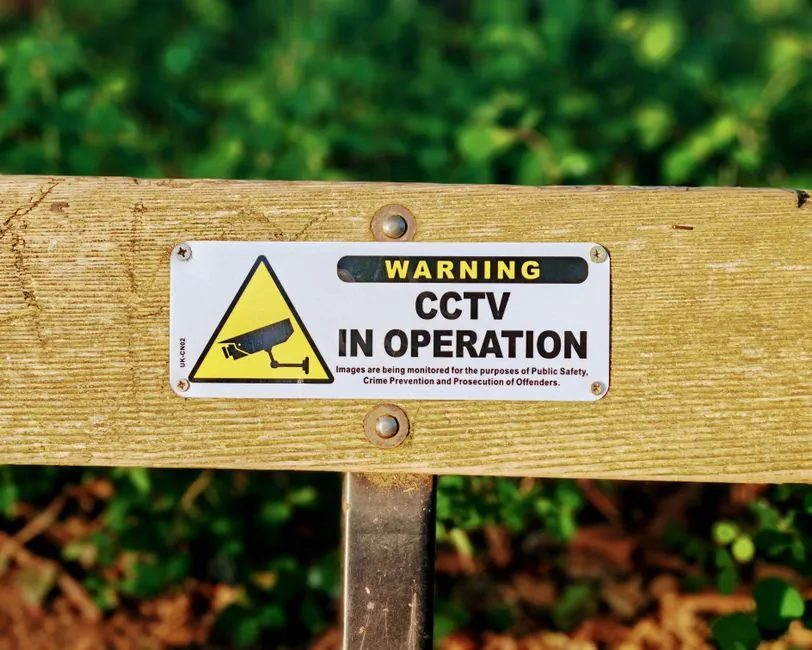
Start by walking round the back of your own house and looking for the route up. Wheelie bins parked against the rear wall, a water butt, a stack of pallets, garden furniture, a low garage or outhouse roof, a tree with a branch over the bay. Move what moves, and chain the bins if there is nowhere else for them. Ladders belong in a locked shed or padlocked to a bracket, not down the side passage. Security lighting at the rear helps more than it does at the front, because that is where the work happens.
Beyond that, forensic marking is the measure with real teeth. Products such as SmartWater put a unique traceable code on the metal and back it with signage, and when marked lead turns up at a licensed dealer it can be linked to the address it came from. Churches have used it for years - and the parish churches around Mansfield and Mansfield Woodhouse are exactly the buildings that need it - but it is available to householders too. Roof alarms are a step further again, and make sense for larger buildings and unoccupied properties rather than a semi.
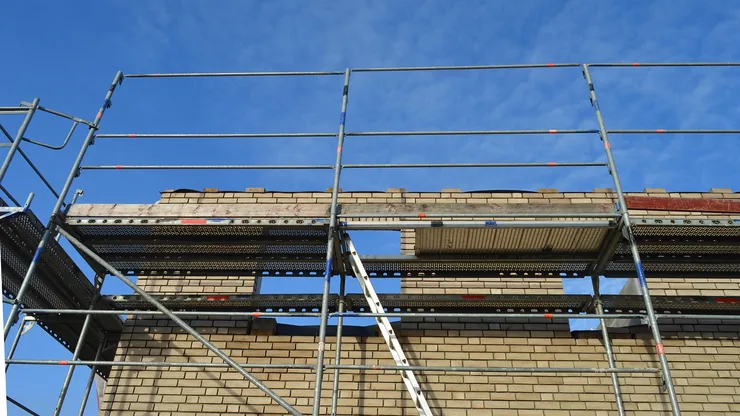
One more, and it catches people out. Scaffolding is an open invitation, and insurers know it. Before any building work starts, move everything valuable out of reach and tell your insurer the scaffold is going up, because an awful lot of policies quietly stop covering external metal theft while it is there.
Where you stand on insurance
Here is the part worth reading twice. A buildings policy will normally cover theft and the damage thieves cause, but external metal is one of the few things insurers write special rules for.

Four things to look for in your own wording. An inner limit on external metal, which caps what gets paid for the lead itself whatever your sum insured says. The scaffolding exclusion above. An unoccupancy clause, which usually bites somewhere between 30 and 60 days empty, and which is why probate houses and empty rentals get stripped again and again while nobody is there to notice. And occasionally a condition that repairs use a lead-free material instead of new lead.
The water damage is generally dealt with under a different part of the policy to the theft, so ask the roofer to price the two separately. Claims get held up over that more often than over the lead.
Order matters more than speed here, though speed helps. Photograph before anything is touched. Report it to the police and get a crime reference number, which you can do online through the government’s report a crime service or by calling 101, and without which a theft claim will not move. Make the roof safe and keep the receipt. Notify the insurer in days, not weeks. The wider habits that get a roof claim paid are the same ones that apply after bad weather, and our step by step guide to storm damage roof claims in Mansfield sets those out in more detail.
The law behind it, and why it still matters to you
The reason lead theft is a fraction of what it was in 2011 is not better roof security. It is that selling the stuff got difficult.
The Scrap Metal Dealers Act 2013 made every dealer and mobile collector licensable, and it did two things that matter at the counter. Section 11 requires dealers to verify the name and address of whoever brings metal in, against documents from a reliable independent source. Section 12 bans paying for scrap in anything but a non-transferable cheque or an electronic transfer, with no exemptions at all. The Home Office’s review of how the Act has worked puts the average annual figure between 2013 and 2020 at 26,200 reported metal thefts, a 71 per cent fall on the years before it.
What that means for a Mansfield homeowner is narrow but real. The paper trail exists, so marked metal can be traced and a crime reference number is not just a formality for the insurer. It also explains why the pattern tracks metal prices rather than roofing: when lead is worth more, the risk of getting caught starts to look worth taking again, and the buildings that suffer are the ones with easy access and nobody watching.
None of this needs to end in a claim. Half an hour spent moving a wheelie bin, and a look at whether your flashings are lead or cement, is a cheaper morning than a wet ceiling in January. If you are not sure what is up there, arrange a free roof check in Mansfield and we will tell you what you have got, in writing, before anybody else finds out first.
Frequently asked questions
Is lead theft from roofs only a church problem, or does it happen to ordinary houses in Mansfield?
Churches get the headlines because a single medieval roof can hold a lorry's worth of lead, but ordinary houses lose lead far more often than people assume. The targets on a normal street are small and quick: a chimney apron, a bay window roof, a porch canopy, the lining out of a short valley. A thief can strip a bay roof in ten minutes from a wheelie bin, and on Mansfield's older terraced streets those bays sit within reach of an unlit back yard. The value to them is modest. The cost to you, once water has been in the ceiling for a fortnight, is not.
Does my home insurance cover stolen lead flashing?
Sometimes, partly, and with more conditions attached than most policies put on anything else. Buildings cover usually includes theft and damage caused by thieves, but external metal is singled out in a lot of wordings: an inner limit that caps what is paid for the metal itself, an exclusion while scaffolding is up, restrictions if the property has been empty for 30 to 60 days, and occasionally a condition that repairs use a lead-free substitute. The water damage that follows is often the bigger figure and is usually treated separately. Read the theft section of your own policy wording rather than assuming, and ring your insurer before any building work puts scaffolding against the house.
Can I replace stolen lead with a lead substitute?
On most Mansfield houses, yes, and it is often the sensible choice. Lead-free flashing materials handle chimney aprons, step flashings and abutments perfectly well, they carry long manufacturer guarantees, and they are worth nothing at a weighbridge, which removes the reason anyone climbed up in the first place. The exceptions matter though. Listed buildings and properties in conservation areas normally need like-for-like replacement, and for wide valleys, parapet gutters and bay roofs that take standing water, properly sized lead still outlasts the alternatives. Ask for the reasoning in writing rather than accepting a substitute because it is quicker to fit.
Lead has been taken off my roof. What do I do first?
Photograph everything before anybody touches it, including the bare rebate where the flashing sat, any tool marks, and the ground below for footprints or dropped offcuts. Report it to the police and keep the crime reference number, because no insurer will progress a theft claim without one. Then get the roof made watertight, keep the receipt for that temporary work, and tell your insurer within days rather than weeks. Ask the roofer for a written quote that separates the metalwork from the internal damage, because the two are frequently treated as different parts of a claim.
Reading done - roof still needs looking at?
Free surveys across Mansfield and the towns around it, with a fixed written quote to follow.